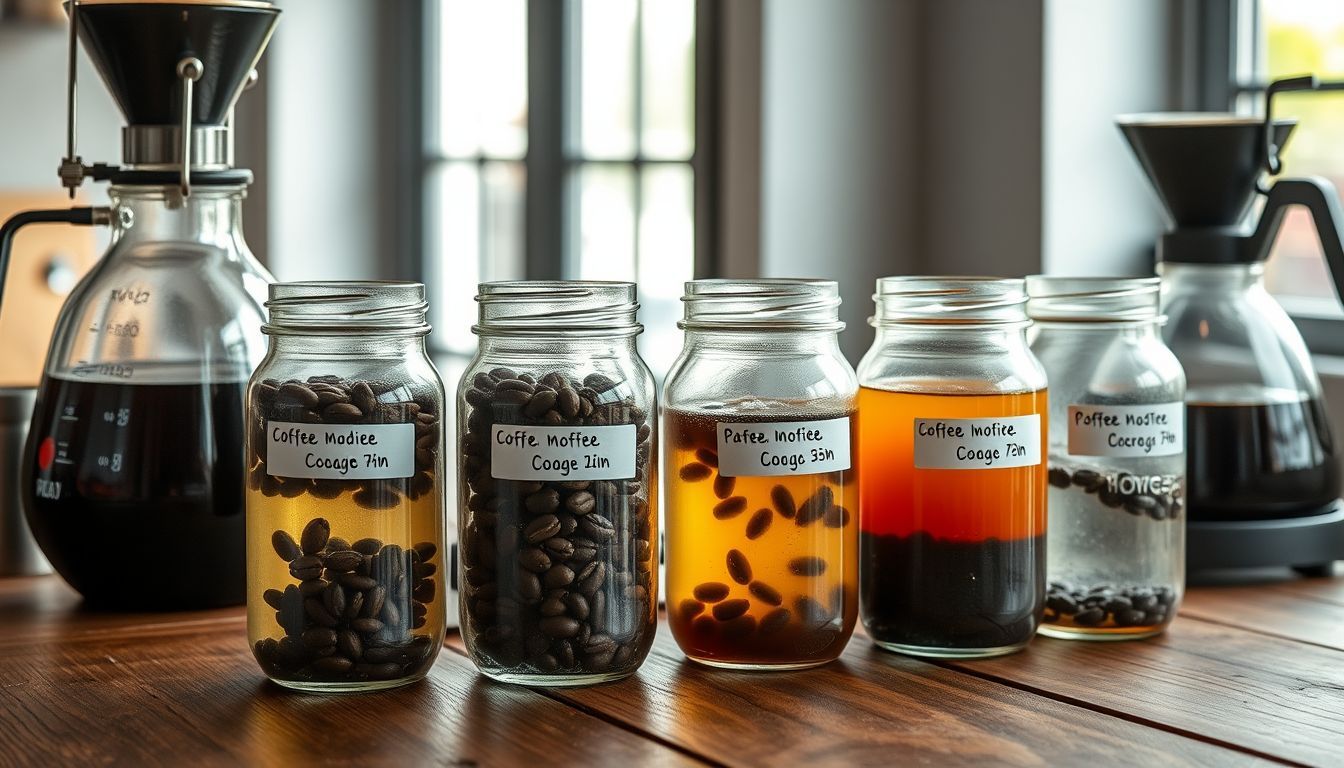
Quick Answer: The coffee fermentation process is a post-harvest stage where microorganisms break down the mucilage (sticky layer) surrounding coffee beans, developing complex flavors through the action of yeasts and bacteria. This crucial step transforms simple coffee cherries into beans with distinct fruity, floral, or creamy flavor profiles.
The Intersection of Coffee and Fermentation: Exploring Novel Flavor Techniques for Home Brewers
What if the secret to your best-ever home brew wasn’t in your grinder, roast level, or brewing technique—but in a process that happens weeks before the beans reach your kitchen? Coffee fermentation, once the exclusive domain of origin producers, is now accessible to adventurous home brewers willing to experiment. Beyond the sun-drenched fields and meticulous roasting lies a pivotal process: fermentation. This coffee fermentation process not only preserves the beans but also crafts the intricate flavors we cherish. Let’s delve into the world of coffee fermentation and uncover how you, the intrepid home brewer, can harness its potential to elevate your cup.
Understanding the Coffee Fermentation Process: The Science Behind Flavor
Fermentation in coffee is akin to a backstage pass to flavor development. Post-harvest, coffee cherries undergo fermentation to remove the mucilage—the sticky layer enveloping the beans. This process isn’t just about cleanliness; it’s a critical stage of coffee flavor development where microorganisms like yeasts and bacteria break down sugars, producing acids and aromatic compounds that define the coffee’s profile.
Studies show fermentation can increase flavor compounds by up to 300%, with careful control of the 12-72 hour window being critical to outcome.
Key Players in Fermentation:
- Yeasts: These fungi feast on sugars, yielding alcohols and esters that introduce fruity and floral notes.
- Lactic Acid Bacteria: They generate lactic acid, enhancing the coffee’s acidity and imparting creamy undertones.
- Acetic Acid Bacteria: These microbes produce acetic acid, adding complexity and a subtle sharpness to the flavor.
According to research published in the Journal of Agricultural and Food Chemistry, the specific strains of Saccharomyces and Pichia yeasts present during fermentation directly correlate with the development of fruity ester compounds. The interplay of these microorganisms, influenced by factors like temperature, humidity, and fermentation duration, crafts the unique taste of each batch. Coffee beans during fermentation process showing mucilage layer with active microorganisms breaking down sugars
Fermentation Timeline: What to Expect
Traditional fermentation: 12-48 hours | Home experiments: 24-72 hours for noticeable flavor impact. Duration depends on temperature, desired flavor intensity, and fermentation method—longer times increase complexity but risk over-fermentation.
Traditional Fermentation Methods and Their Flavor Profiles
1. Natural (Dry) Fermentation:
In this method, whole cherries are sun-dried, allowing fermentation to occur within the fruit. The result? Coffees with bold, fruity flavors and a heavier body, often reminiscent of berries or tropical fruits.
2. Washed (Wet) Fermentation:
Here, cherries are depulped, and the beans ferment in water tanks. This technique yields cleaner, brighter cups with pronounced acidity and nuanced flavors. Understanding how coffee fermentation techniques impact global flavor profiles can help you predict which processing method will suit your taste preferences.
3. Honey (Semi-Washed) Fermentation:
A hybrid approach where some mucilage remains during drying. Depending on the amount left, the coffee can range from light and sweet to rich and syrupy. Visual comparison of three traditional coffee fermentation methods: natural dry, washed wet, and honey semi-washed processing
Innovative Fermentation Techniques for Home Brewers
While traditional methods are typically the domain of producers, home brewers can experiment with advanced coffee fermentation techniques to craft unique flavors. As of 2026, specialty roasters have increasingly adopted anaerobic and co-fermentation methods, bringing what were once experimental techniques into the mainstream. Just as the influence of local climate patterns on coffee bean development matters at origin, your home environment’s temperature and humidity will affect fermentation outcomes.
1. Controlled Fermentation:
- What: Soak green beans in a controlled environment, allowing specific microorganisms to act.
- How: Place beans in a sealed container with a sugar solution, maintaining a consistent temperature. In my experiments, maintaining temperature within 2°C of your target proves more important than the exact starting temperature—a 20°C fermentation will outperform an inconsistent 18-22°C cycle.
- Why: This can introduce new flavor dimensions, from enhanced sweetness to exotic fruit notes.
2. Co-Fermentation:
- What: Ferment beans alongside other ingredients like fruits or spices.
- How: Add elements like orange peels or cinnamon sticks to the fermentation vessel.
- Why: This imparts complementary flavors, creating a bespoke coffee experience.
3. Anaerobic Fermentation:
- What: Ferment beans in an oxygen-free environment.
- How: Use airtight containers and introduce carbon dioxide to displace oxygen.
- Why: This method can amplify fruity and wine-like characteristics.
⚠️ Important Safety Note: Home fermentation requires strict sanitation. Use food-grade containers, sanitize all equipment with boiling water, and discard any batches showing signs of mold or unpleasant odors. When in doubt, consult food safety guidelines.
6 Steps for Home Coffee Fermentation
Mastering the coffee fermentation process at home requires attention to detail and the right conditions.
- Source Quality Green Beans: Opt for fresh, high-quality beans from reputable suppliers.
- Prepare the Fermentation Medium: Create a sugar solution or select co-fermentation ingredients.
- Set Up the Fermentation Environment: Use clean, airtight containers. Maintain a stable temperature (ideally between 18-22°C or 64-72°F).
- Monitor the Process: Check daily for signs of fermentation, such as bubbling or aroma changes. Fermentation can last from 12 to 72 hours, depending on desired flavor intensity.
- Dry the Beans: After fermentation, rinse beans thoroughly. Dry them evenly until they reach a moisture content of about 10-12%.
- Roast and Brew: Roast the beans to your preferred level. Brew using methods that highlight your fermentation work—the science of coffee acidity and how different brewing methods enhance brightness becomes even more relevant when you’ve controlled the fermentation variables yourself. For best results brewing your fermentation experiments, precise temperature control is essential—equipment like the Technivorm Moccamaster ensures your brewing doesn’t undo the careful flavor work you’ve done during fermentation. Once fermented and roasted, a quality brewer like the OXO 9-Cup Coffee Maker can help you evaluate your results with consistent, repeatable brewing.

Home coffee fermentation station with airtight containers, green beans, temperature monitoring equipment, and co-fermentation ingredients for DIY experiments
Common Fermentation Problems and Solutions
Over-Fermentation Signs: Overly sour or vinegary aromas, slimy texture, unpleasant off-flavors. Solution: Reduce fermentation time by 12-24 hours on your next batch.
Under-Fermentation Indicators: Lack of aromatic complexity, muted flavors, difficulty removing mucilage. Solution: Extend fermentation duration or slightly increase temperature.
Contamination Red Flags: Visible mold growth, putrid odors, unusual discoloration. Solution: Discard the batch immediately and sanitize all equipment before starting fresh.
Frequently Asked Questions About Coffee Fermentation
Can you ferment coffee beans at home?
Yes, home brewers can ferment green coffee beans using controlled environments, co-fermentation with fruits or spices, or anaerobic methods in airtight containers. The process requires attention to sanitation and temperature control but is accessible with basic equipment.
What does fermentation do to coffee flavor?
Fermentation develops coffee’s complex flavor profile by breaking down sugars through microbial action, creating fruity, floral, creamy, or wine-like notes depending on the fermentation method, duration, and microorganisms involved.
How long should coffee ferment?
Traditional coffee fermentation takes 12-48 hours, while home fermentation experiments typically run 24-72 hours. Duration depends on temperature, desired flavor intensity, and fermentation method—longer times increase complexity but risk over-fermentation.
Is fermented coffee safe to drink?
Yes, when properly fermented using sanitary equipment and food-grade containers. Discard batches showing mold, off-odors, or unusual discoloration. The subsequent roasting process (reaching 400°F+) eliminates potential pathogens.
Bringing It All Together: Your Fermentation Journey
The coffee fermentation process is the unsung hero in the symphony of coffee flavors. By understanding and experimenting with this process, home brewers can unlock a treasure trove of taste possibilities. While most commercial coffees undergo standardized fermentation, home experimentation lets you create flavor profiles unavailable in any café. By pairing experimental fermentation with refined home coffee brewing methods, you can create truly exceptional cups.
Ready to start your first fermentation experiment? Begin with controlled fermentation using a small 100g batch of green beans—this low-risk approach lets you learn the process before scaling up. Track your variables (temperature, duration, medium) in a notebook, and compare your results across multiple batches. The path from coffee drinker to coffee creator starts with a single fermented bean.