Introduction
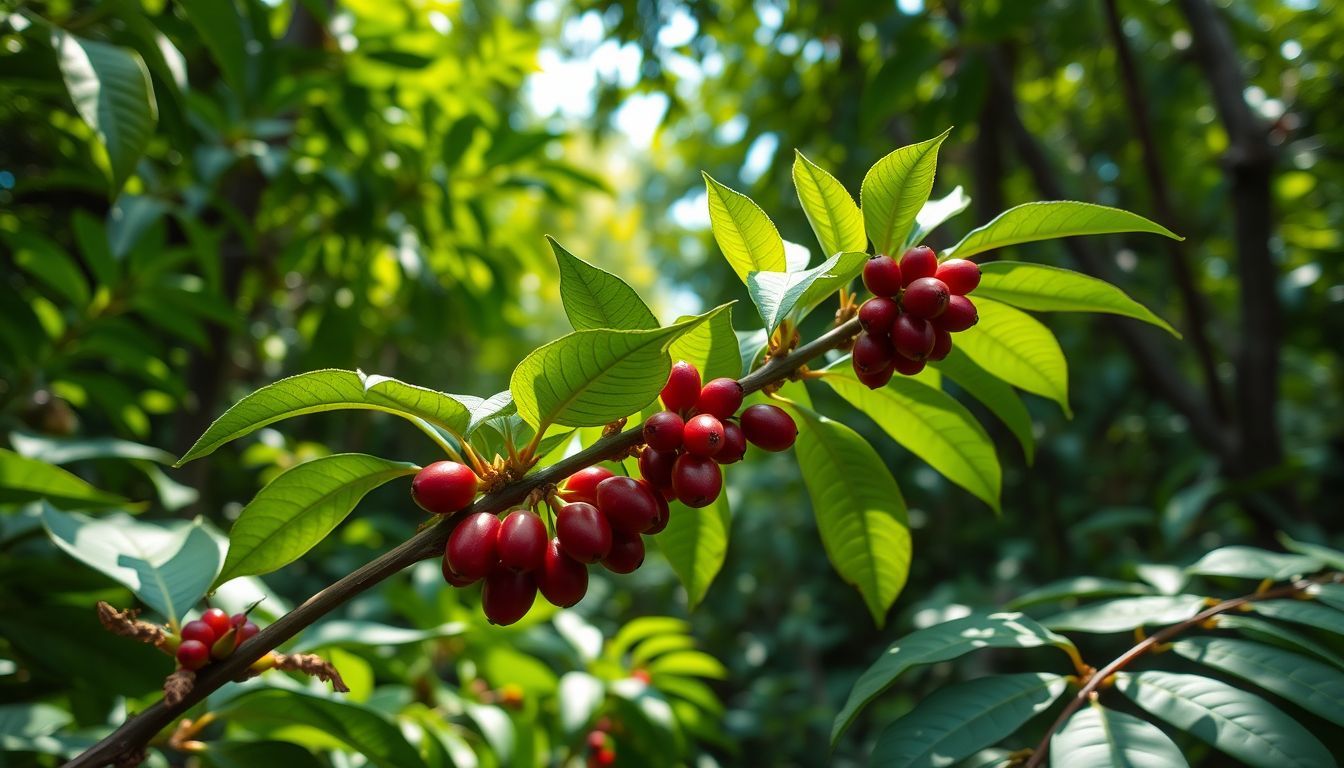
As a café owner and community coffee advocate, I’ve always been fascinated by the rich tapestry of coffee that exists beyond the familiar Arabica and Robusta. Today, I invite you to join me on an exploration of wild coffee varieties—those hidden, forest-grown coffee plants whose rarity, flavor potential, and climate relevance feel more urgent than ever.
Quick Answer: Wild coffee varieties are naturally occurring coffee species and genetic types that grow outside commercial farms, often in forests. They matter because they preserve coffee biodiversity, can deliver unique cup characteristics, and may carry coffee genetics linked to heat, drought, and disease tolerance—traits that support coffee climate resilience as growing conditions change.
The Allure of Wild Coffee Varieties
Wild coffees are the untamed relatives of our cultivated favorites within the Coffea genus. They thrive in diverse ecosystems—from West African forests to Southeast Asian highlands—and act like living libraries of heirloom species traits. Beyond their intrigue, these plants can help strengthen future crops through resilience-focused breeding and wider genetic diversity.
Visual idea: A simple map highlighting West Africa and Southeast Asia distribution can help readers connect each species to place.

Wild Coffee Variety Profiles
Liberica: The Giant Bean with a Bold Flavor
Origins and Characteristics
Liberica (Coffea liberica) hails from West and Central Africa and is renowned for its large beans and distinctive teardrop shape. The trees can grow up to 20 meters tall, which makes harvesting and selective picking a unique challenge. (en.wikipedia.org)
Flavor Profile
Liberica coffee flavor profile: bold and full-bodied, often reading smoky, woody, and gently nutty, with a distinctive aromatic “presence” that’s hard to mistake. In cuppings at my café, I’ve found Liberica can turn a bit too resinous if roasted very dark; a steadier medium roast tends to lift more cocoa-like sweetness and dried-fruit depth. It’s especially beloved in the Philippines as “Kapeng Barako.” (en.wikipedia.org)
Cultivation and Conservation
Despite its devoted fans, Liberica remains a small slice of world production. When it shows up as a single-origin or special lot, it’s a reminder that flavor diversity in coffee isn’t limited to the mainstream cultivars we see every day.
Visual idea: A leaf/berry/bean photo comparison (Liberica vs Arabica) makes the “giant bean” story instantly clear.
Stenophylla: The Forgotten Cousin with Surprising Elegance

Rediscovery and Origins
Stenophylla (Coffea stenophylla), also known as Highland Coffee, originates from West Africa, particularly Sierra Leone. Once thought to be nearly lost, it has been rediscovered in the wild—reigniting interest in both its cup quality and its potential agronomic value. (en.wikipedia.org)
Flavor Profile
Remarkably, Stenophylla can present an Arabica-like experience, with chocolate tones and a jasmine-like lift. If you ever get a chance to source it, cup it side-by-side with a floral Arabica and take notes—the similarities and subtle differences become much easier to spot (and it’s a perfect excuse to use a coffee tasting journal method).
Climate Resilience
One reason Stenophylla attracts serious attention is its reported ability to tolerate warmer conditions, which could matter in regions where Arabica quality is increasingly pressured by heat.
Visual idea: A simple “berry-to-bean” processing diagram helps readers understand what it takes to go from wild fruit to a brewable coffee.
| Species | Origin | Typical cup notes | Heat tolerance (general) | Availability | Why it matters |
|---|---|---|---|---|---|
| Liberica (C. liberica) | West & Central Africa | Smoky, woody, nutty; deep aroma | Moderate to higher vs Arabica | Limited; niche regional production | Distinct flavor diversity; alternative genetics for breeding |
| Stenophylla (C. stenophylla) | West Africa (e.g., Sierra Leone) | Chocolate, floral (jasmine-like), Arabica-adjacent | Higher reported tolerance | Very rare; emerging research interest | Potential quality + resilience traits in warmer climates |
| Arabica (baseline) | Ethiopia/Yemen origins; now global | Sweet, complex, fruity/floral | Lower (more heat-sensitive) | Common | Quality benchmark; most familiar reference point |
Foraging Tips for the Adventurous Coffee Enthusiast

If you’re intrigued by the idea of finding coffee in the wild, here are practical wild coffee foraging tips that prioritize safety, legality, and the plant’s long-term survival.
- Research local species and lookalikes: Learn which coffee plants are native to your region and what non-coffee plants might resemble them.
- Get permission and confirm land status: Always obtain permission on private land, and confirm whether an area is protected, restricted, or managed for conservation.
- Identify carefully before touching anything: Note leaf shape, fruit/berry color, growth habit, and surrounding habitat—and confirm identification with local experts when possible.
- Harvest responsibly: Take only small amounts, never strip a plant, and avoid harvesting from sparse populations so regeneration can continue.
- Process promptly and cleanly: Depulp, ferment (if appropriate), wash, and dry thoroughly—processing choices strongly shape the final cup.
Pro Tip: Check local regulations, protected areas, and invasive species rules before harvesting anything. Never forage in protected forests, and treat rare populations as “look, learn, and leave.” Ethical harvesting is part of protecting coffee’s future.
How to Brew Wild Coffee for Clarity of Flavor
Because many wild coffee varieties are rare or experimental lots, the goal is repeatability—so you’re tasting the coffee, not your setup.
- Grind consistency: Use a reliable grinder and keep settings consistent across brews (see best coffee grinders for every budget).
- Starting ratio: Try 1:16 (e.g., 20 g coffee to 320 g water) and adjust based on strength and extraction.
- Water temperature: 93–96°C / 200–205°F is a solid starting range for most light-to-medium roasts.
- Choose a consistent brewer: For repeatable cups when comparing coffees, an SCA-style drip machine like the OXO 9-Cup helps you judge flavor without extra variables.
- Record what you taste: Even a few structured notes (aroma, acidity, sweetness, finish) will make patterns obvious over time.
The Importance of Conservation
It’s alarming to note that around 60% of wild coffee species are threatened with extinction due to deforestation, climate change, and disease. (time.com) This risk is also reflected in major research assessments, including work associated with Royal Botanic Gardens, Kew (2019). Supporting wild coffee species conservation protects coffee biodiversity and keeps options open for future breeding and adaptation.
Conservation isn’t just about what grows on farms. It includes habitat protection, responsible cultivation trials, and ex-situ conservation efforts such as seed banks that preserve genetic material outside threatened ecosystems. If you want a broader lens on how sustainability connects back to what you taste, see the evolution of coffee farm sustainability practices.
Visual idea: A small infographic showing key threat drivers (deforestation, warming temperatures, pests/disease pressure) can make the stakes instantly understandable.
Conclusion
Exploring wild coffee varieties opens a world of flavors and stories that go far beyond the everyday cup—and it also highlights how much the future of coffee depends on safeguarding genetic diversity. The most meaningful way to enjoy these coffees is with curiosity and care: taste thoughtfully, learn the context, and respect the ecosystems they come from.
Next step: Cup a wild-origin coffee (or a Liberica lot) next to your usual Arabica, write down what changes, and track those notes over time—then support conservation and habitat protection efforts that keep coffee’s diversity alive.
FAQ
Are wild coffee varieties safe to drink?
They can be, but safety depends on correct plant identification, clean processing, and proper roasting. Never consume berries or beans from an unknown plant without verification, and avoid any harvest from areas that may be contaminated.
How do I identify wild coffee plants vs lookalikes?
Use multiple traits (leaf shape, fruit/berry structure, seed appearance, and habitat) and confirm with local botanists or agriculture offices. A single feature is rarely enough for confident ID.
What does Liberica taste like compared to Arabica?
Liberica is often bolder and more aromatic, with woody-smoky character and a heavier body, while Arabica typically leans sweeter and more floral or fruity. Roast level can dramatically change how prominent Liberica’s earthy notes feel.
Why are wild coffee species threatened?
The biggest pressures are deforestation and habitat fragmentation, climate stress, and rising pest/disease risk. When forests shrink, small populations become more vulnerable to local extinction.
Can I legally forage wild coffee?
It depends on local laws and land status. Always get permission on private property, avoid protected areas, and check harvesting rules—especially where species may be endangered or protected.
How should I roast and brew wild coffees?
Start with lighter-to-medium roasts to preserve distinctive aromatics, then brew with a consistent method and tight controls (ratio, temperature, grind). Repeatability is key when you’re trying to understand a coffee you may not encounter again.