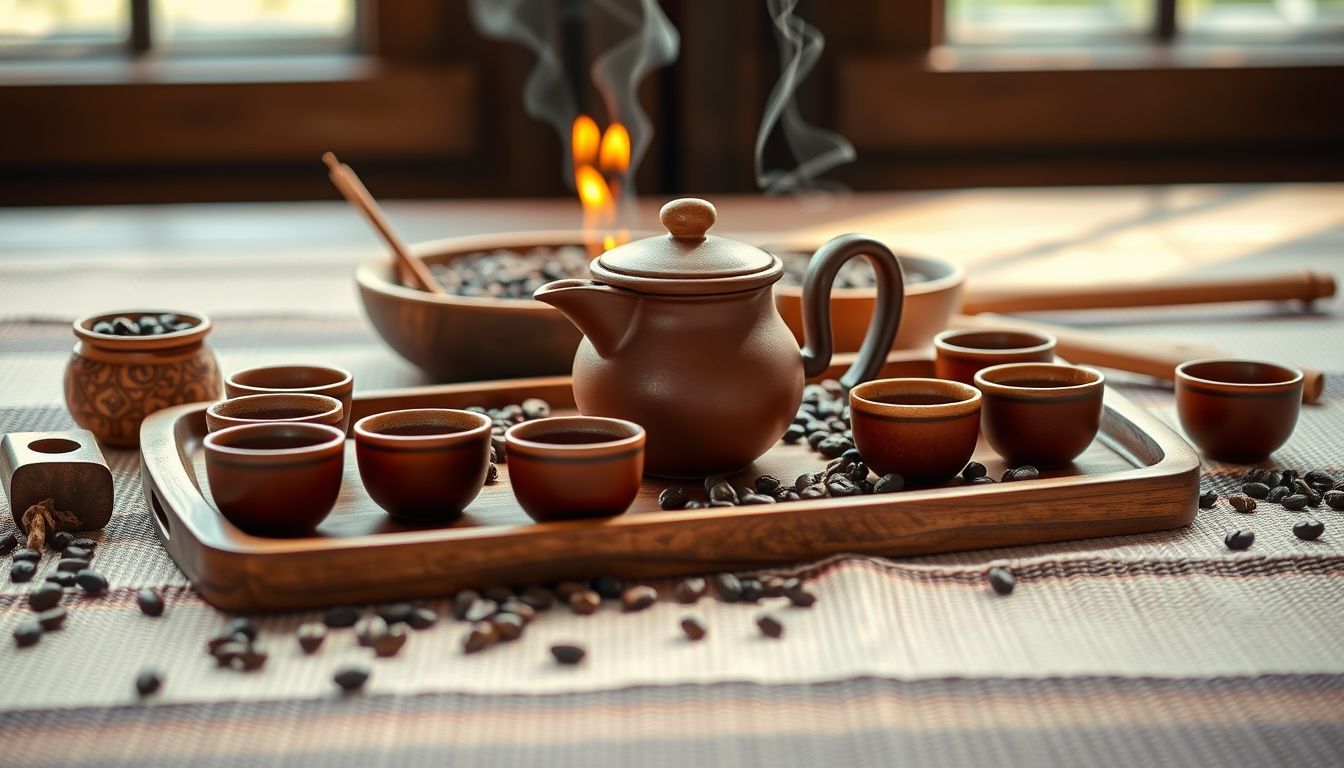
The Cultural Significance of Coffee Ceremonies: Traditions, Variations, and Modern Adaptations Around the World
Across cultures, traditional coffee ceremonies are a sacred dance of craft and community—where brewing becomes storytelling. From Ethiopia’s highlands to Tokyo’s kissaten, these coffee ceremony traditions preserve history, hospitality, and harmony in every cup. Below, we’ll break down how each ritual works, what it symbolizes, and how modern cafés adapt these traditions today.
Quick Answer: What Are Traditional Coffee Ceremonies?
Traditional coffee ceremonies are structured, social rituals for preparing and serving coffee that emphasize hospitality, community, and craft. They often include specific tools, repeated serving rounds, and etiquette—like the Ethiopian coffee ceremony or a Turkish coffee ritual—turning coffee into a cultural practice rather than a quick drink.
Common Elements of Coffee Ceremonies
- Roasting or showcasing aroma as part of the experience
- Specific grinding methods and traditional brew vessels
- Serving order, often in multiple rounds
- Shared snacks like dates, pastries, or sweets
- Conversation, storytelling, or reflection time
- Cultural etiquette around who pours, how many cups to accept
Coffee Ceremonies at a Glance
| Culture | Brew Method | Key Tool | Social Meaning | Signature Pairing |
|---|---|---|---|---|
| Ethiopia | Roast, grind, clay pot | Jebena | Community & blessing | Popcorn, incense |
| Turkey | Fine grind, slow heat | Cezve | Hospitality & friendship | Turkish delight, water |
| Japan | Pour-over precision | Hario V60 | Mindfulness & craft | Minimal, serene setting |
| Sweden | Filter coffee | Simple brewer | Balance & well-being | Cinnamon buns |
| Saudi Arabia | Spiced, cardamom | Dallah | Generosity & respect | Dates |
Ethiopia: The Birthplace of Coffee Rituals
In the land most widely associated with coffee’s earliest origins, the Ethiopian coffee ceremony is a daily ritual that transcends mere consumption. It’s a spiritual journey, a communal act that binds families and friends.
The Ritual Unfolds
The ceremony begins with the roasting of green coffee beans over an open flame. The rich aroma fills the air, signaling the start of a sacred tradition. Once roasted to perfection, the beans are ground using a mortar and pestle, then brewed in a jebena—a traditional clay pot. The coffee is poured into small cups without handles, known as sini, and served in three rounds: abol, tona, and baraka, each symbolizing a step towards transformation and blessing.
The Steps of an Ethiopian Coffee Ceremony
- Roast green coffee beans over an open flame
- Grind the roasted beans with a mortar and pestle
- Brew the grounds in a jebena (clay pot)
- Serve in three rounds: abol (first), tona (second), baraka (third/blessing)
- Share conversation, stories, and light snacks like popcorn
This ritual is more than a method of preparation; it’s a time for reflection, storytelling, and connection. The Ethiopian coffee ceremony embodies the essence of community and respect. Because many traditional coffee ceremonies emphasize fresh grinding, choosing the right burr set matters—see our guide to the best coffee grinders for every budget.

Turkey: A Brew Steeped in History
Turkish coffee, recognized by UNESCO as an Intangible Cultural Heritage (inscribed in 2013), is a symbol of hospitality and friendship. Its preparation and consumption are steeped in tradition and artistry, making the Turkish coffee culture one of the world’s most refined.
The Art of Brewing
Ingredients & Grind
Turkish coffee requires a powder-fine grind—much finer than espresso. This creates the signature texture and allows the grounds to suspend beautifully in the cup.
Brewing Process
Finely ground coffee is combined with water and sugar (to taste) in a cezve, a small copper pot. The mixture is slowly heated over low heat, allowing a thick foam to form.
Serving & Foam
Just before boiling, the coffee is poured into small cups, with the foam carefully distributed on top—a mark of a well-prepared cup. The grounds settle at the bottom, creating a rich, full-bodied experience.
Fortune-Telling Tradition
After drinking, it’s customary to turn the cup upside down on the saucer for fortune-telling (tasseography), interpreting the patterns left behind by the grounds.
This ritual reflects the Turkish emphasis on patience, craftsmanship, and social connection. Coffee is often served alongside water and Turkish delight (lokum), further elevating the hospitality.
Japan: Precision and Aesthetics
In Japan, coffee culture blends modern techniques with traditional aesthetics. The meticulous pour-over method is treated as a meditative process, highlighting precision and clarity of flavor.
The Kissaten Experience
Japanese kissaten, traditional coffee shops, serve meticulously prepared coffee in serene settings. The pour-over method, especially using devices like the Hario V60, is performed with careful attention to detail, reflecting the country’s deep respect for craftsmanship.
This approach turns coffee brewing into an art, embodying mindfulness and the pursuit of perfection. Many home brewers replicate this controlled pour with a gooseneck kettle to improve consistency and honor the Japanese attention to detail. Japanese barista performing precise pour-over coffee ceremony with V60 dripper in minimalist kissaten coffee shop
Pro Tip: For Japanese-style pour-over, use a medium-fine grind and pour in slow, controlled circles. Water temperature around 200°F (93°C) and a steady hand make all the difference in extracting balanced, nuanced flavors.
Sweden: Fika – A Pause for Connection
In Sweden, fika is more than just a coffee break—it’s a philosophy of slowing down and cherishing the moment.
The Fika Tradition
Fika involves enjoying coffee, often paired with baked goods like kanelbullar (cinnamon buns), in the company of friends, family, or colleagues. This tradition embodies the Swedish values of balance and well-being, offering a pause from the day’s busyness to connect with others.
Whether at home, in the workplace, or at a café, fika is a reminder to savor life’s simple pleasures.
Saudi Arabia: A Symbol of Hospitality
In Saudi Arabia, coffee, or qahwa, is served as a sign of hospitality. The coffee is spiced with cardamom and often accompanied by dates.
The Ritual of Serving
Arabic coffee is typically brewed in a dallah, a traditional pot with a distinctive long spout. Guests are served in small, handle-less cups, and it’s customary to accept at least one cup but no more than three. The serving of Arabic coffee is steeped in etiquette, reflecting generosity, respect, and tradition, especially during gatherings and special occasions. Traditional Saudi Arabian coffee service with ornate dallah pot, small cups, and dates displaying hospitality customs
Pro Tip: When served Arabic coffee, hold the cup in your right hand. Gently shake the cup side-to-side when you’ve had enough—this signals to your host that you’re satisfied. Always follow your host’s lead regarding customs and pace.
Modern Adaptations of Coffee Ceremony Traditions
As the world becomes more interconnected, traditional coffee ceremonies have found new expressions. In urban settings, abbreviated versions of these rituals cater to the fast-paced lifestyle, yet the essence remains—fostering community and connection.
The Global Coffee Scene
These coffee rituals around the world show how one drink can reflect radically different cultural values. Specialty coffee shops worldwide incorporate elements of these traditional ceremonies, emphasizing freshly ground, high-quality beans and mindful preparation methods.
This fusion honors the rich heritage of coffee rituals while adapting to contemporary tastes and practices.
Bringing Ceremony Home
For a casual, weeknight-friendly version of traditional coffee ceremonies, a simple drip brewer can keep the focus on serving and conversation—something like the KRUPS 10-Cup Drip Coffee Maker works well for small gatherings. If you’re hosting a group and want to keep servings warm between rounds of conversation, these coffee makers that actually keep coffee hot all day can help preserve the experience.
How to Respectfully Participate in Coffee Ceremonies
When experiencing coffee ceremony traditions as a guest, mindful etiquette shows cultural respect:
- Ask permission before photographing—some ceremonies are sacred or private
- Accept at least one cup when offered (where culturally appropriate)
- Follow the host’s lead on adding sugar, spices, or milk
- Don’t rush the pace—these rituals are about presence, not speed
- Engage in conversation—the social connection is as important as the coffee
- Show gratitude with words or gestures appropriate to the culture
Frequently Asked Questions About Coffee Ceremonies
How long do traditional coffee ceremonies typically last?
Duration varies by culture. An Ethiopian coffee ceremony can take 1-3 hours across three serving rounds. Turkish coffee preparation is quicker (15-20 minutes), but the social aspect extends longer. Japanese kissaten service is deliberate but typically 30-45 minutes. The key is that none are rushed.
What’s the difference between a coffee ceremony and a coffee tasting?
Coffee ceremonies emphasize cultural ritual, community, and hospitality—they’re social and spiritual practices. Coffee tastings (cuppings) focus on evaluating flavor profiles, quality, and brewing variables. Ceremonies honor tradition; tastings analyze technique.
Can I recreate an Ethiopian coffee ceremony at home without a jebena?
Yes, though the jebena is traditional. You can use a small saucepan for roasting and a French press or pour-over for brewing. The key is preserving the ritual: roast beans fresh, grind by hand if possible, serve in small cups over three rounds, and create space for conversation.
What etiquette matters most in a Turkish coffee ritual?
Accept the coffee as served (don’t request changes), compliment the foam, sip slowly to avoid the grounds at the bottom, and engage in conversation. The fortune-telling tradition is optional and often done playfully among friends.
Why is coffee served in three rounds in Ethiopia?
The three rounds—abol, tona, and baraka—represent transformation and blessing. The first is the strongest, the second milder, and the third (baraka, meaning “blessing”) is the most sacred, symbolizing spiritual benefit and completion of the ritual.
Conclusion
The tapestry of coffee ceremonies across the globe reveals a shared human desire for connection, tradition, and the simple pleasure of a well-brewed cup. These rituals, whether ancient or modern, remind us that coffee is more than a beverage—it’s a bridge between cultures, a symbol of hospitality, and a celebration of community.
Whether you experience an Ethiopian coffee ceremony or explore the hidden world of wild coffee varieties, the heart of traditional coffee ceremonies is presence. Try adopting one element this week—serve in rounds, slow the pour, or simply invite someone to sit and talk while the coffee brews. As we partake in our daily cup, let us remember the rich traditions that have shaped this universal ritual, and find ways to incorporate a touch of ceremony into our own coffee experiences.