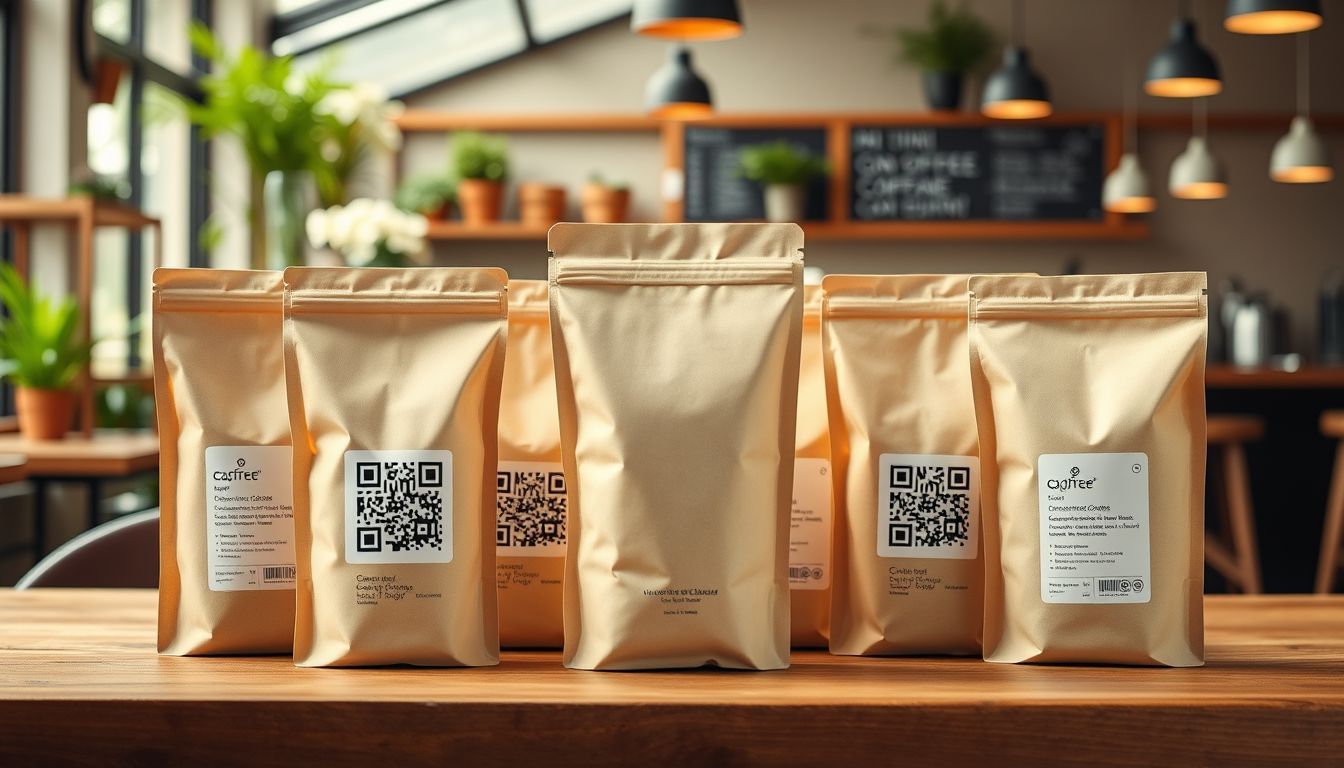
Quick Answer: Coffee packaging innovations in 2026 focus on three key areas: advanced freshness preservation through smart one-way degassing valves, sustainable materials like compostable plant-based packaging, and interactive technologies such as QR codes and NFC tags that connect consumers with their coffee’s story.
That satisfying hiss when you open a fresh bag of coffee? That’s $2.3 billion worth of packaging innovation at work. As a café owner who’s tested hundreds of coffee bags over the past decade, I’ve witnessed a packaging revolution that’s transforming how we preserve, protect, and present coffee. The coffee packaging innovations emerging in 2026 aren’t just keeping beans fresher—they’re addressing the coffee industry’s 4 million ton annual packaging waste problem while creating new ways for roasters to connect with customers.
Here’s what’s changing, what works, and what you should look for on your next bag.
Coffee Packaging Innovations for Maximum Freshness
One-Way Degassing Valves
Freshly roasted coffee beans release carbon dioxide, and one-way degassing valves have revolutionized how we manage this challenge. If CO₂ becomes trapped, it can compromise the coffee’s flavor and cause bags to burst. These valves allow carbon dioxide to escape without letting oxygen in, preserving the beans’ freshness. Modern valves have evolved to offer:
- Smart Pressure Control: Micro-adjustable valves that optimize CO₂ release based on altitude and humidity
- AromaLock™ Technology: Nano-filter layers preventing oxygen ingress while allowing gas escape
- Recyclable Designs: Valves made from recyclable materials compatible with curbside recycling streams
In my café, we’ve tested bags with and without modern AromaLock™ valves. Beans stored with these advanced valves maintained their cupping score within 2 points of fresh-roasted for up to 8 weeks, compared to a 5-point drop in standard packaging. Close-up of a modern coffee bag featuring an advanced one-way degassing valve and premium packaging materials
While these innovations are impressive, the technology only works if consumers store their coffee correctly—learn more about understanding how to properly use these valves to maximize freshness.
Resealable Packaging Systems
Resealable coffee bags have become a staple for both consumers and roasters. They offer:
- Extended Freshness: By minimizing exposure to air, resealable bags help maintain the coffee’s aroma and flavor
- Convenience: Consumers can easily open and close the bag, reducing the need for additional storage containers
- Sustainability: Many resealable bags are now made from eco-friendly materials, aligning with environmental goals
Combined with one-way valves, resealable closures create a dual-system approach to coffee freshness preservation that extends shelf life by up to 6 months.
Modified Atmosphere Packaging (MAP)
One of the most significant coffee packaging innovations for commercial roasters is Modified Atmosphere Packaging. MAP replaces oxygen inside the bag with nitrogen or carbon dioxide before sealing, creating an environment that dramatically slows oxidation. Benefits include:
- Extended Shelf Life: MAP can preserve coffee freshness for 12-18 months without freezing
- Flavor Stability: Inert gas prevents oxidation of volatile aromatic compounds
- Reduced Waste: Longer freshness windows decrease product returns and spoilage
While primarily used for pre-ground coffee and commercial applications, some specialty roasters now offer MAP for whole bean subscriptions.
Sustainable Coffee Packaging: Environmental Innovations
Compostable and Biodegradable Materials
Traditional coffee packaging often relies on plastic and aluminum composites that are difficult to recycle. Today, brands are shifting towards compostable and biodegradable materials made from plant-based sources such as cornstarch, sugarcane, and cellulose. These sustainable coffee packaging solutions represent the most significant coffee packaging innovations in the industry’s environmental approach.
Compostable packaging can reduce coffee’s packaging carbon footprint by up to 60% compared to traditional aluminum-plastic laminates. These materials break down naturally within 90-180 days in commercial composting facilities, reducing landfill waste and promoting a circular economy. As of 2026, approximately 23% of specialty coffee roasters have adopted fully compostable packaging, up from 8% in 2023. Compostable coffee packaging made from plant-based materials surrounded by coffee beans and natural elements
Recyclable Packaging Solutions
Many coffee companies are prioritizing fully recyclable packaging, using mono-materials such as polyethylene (PE) or polypropylene (PP) to simplify the recycling process. Major coffee brands have pioneered PE mono-material bags that can be recycled in 73% of U.S. municipal recycling programs—up from just 12% compatibility with older multi-layer designs.
Advances in recycling infrastructure are also making it easier for consumers to properly dispose of used packaging, contributing to a more sustainable supply chain.
Minimalist and Reduced-Waste Design
Reducing excess packaging is another key trend. Brands are adopting minimalist designs with fewer layers of material, which not only lowers production costs but also reduces environmental impact. Lightweight packaging solutions help decrease carbon emissions during transportation, aligning with sustainability goals.
Reusable and Refill Systems
An increasing number of coffee brands are exploring reusable packaging options, such as refillable coffee tins and bulk-buy systems. Consumers can bring their own containers to refill coffee at designated stations, minimizing single-use packaging waste and encouraging long-term sustainability practices.
While refill programs are growing—I’ve partnered with several local roasters offering this option—they still represent less than 5% of U.S. coffee sales due to infrastructure challenges.
The Cost of Innovation
Advanced packaging typically adds $0.15-$0.45 per pound to coffee costs. Compostable materials run 20-30% more expensive than conventional packaging, while smart packaging features add another $0.10-$0.25 per bag. However, reducing waste through better preservation often offsets these costs—both for roasters managing inventory and consumers avoiding spoiled beans.
Consumer-Facing Coffee Packaging Innovations
Smart Packaging Technologies
Integrating technology into packaging offers consumers a more interactive experience. Features include:
- QR Codes and NFC Tags: Scan to access origin stories, brewing guides, and roaster sustainability certifications
- Time-Temperature Indicators: Color-changing labels that show if beans have been exposed to heat damage
- Freshness Sensors: IoT-enabled packaging that tracks and reports bean freshness in real-time
These technologies foster transparency and deepen the connection between consumers and their coffee. Consumer scanning QR code on smart coffee packaging with smartphone to access coffee origin information
Personalized Packaging
Personalization is shaping coffee bag technology design trends. Brands now offer custom designs that let customers feel special and connected. Adding names or personal messages on coffee cups creates a sense of belonging.
Collaborations with local artists bring unique, character-driven designs that reflect community values. Customizable packaging invites customers to engage with the brand and share their experiences. This personalization trend extends beyond packaging into coffee’s expanding role in wellness culture, where presentation and story matter as much as taste.
This trend makes coffee packaging both stylish and functional, helping brands build lasting relationships with their audience.
Coffee Packaging Types: Feature Comparison
| Packaging Type | Freshness Duration | Sustainability Rating | Cost Premium | Best For |
|---|---|---|---|---|
| Traditional Plastic-Foil | 3-4 weeks | ⭐ | Baseline | Budget coffee |
| Compostable with Valve | 6-8 weeks | ⭐⭐⭐⭐⭐ | +25% | Eco-conscious consumers |
| MAP + Recyclable | 12+ months | ⭐⭐⭐ | +15% | Commercial/bulk |
| Smart Packaging | 6-8 weeks | ⭐⭐⭐ | +35% | Premium brands |
What Coffee Packaging Innovations Mean for Your Daily Cup
Choosing Coffee with Advanced Packaging
When shopping for coffee in 2026, look for these packaging features that indicate quality and freshness:
- Visible one-way valve: Usually a small circular disc on the bag front
- Roast date: Innovations mean nothing without transparency—always choose bags with roast dates, not “best by” dates
- Opaque or metallized material: Light degrades coffee; quality packaging blocks UV exposure
- Certification logos: Look for compostable certifications (BPI, TÜV Austria) or recyclable symbols
How Packaging Affects Your Coffee’s Taste
Premium packaging solutions for coffee freshness can extend peak flavor windows from 2-3 weeks to 6-8 weeks post-roast. However, even the best next-generation coffee containers can’t revive stale beans—buy from roasters who invest in both quality beans and quality packaging, and consume within the optimal window printed on the bag.
Frequently Asked Questions About Coffee Packaging Innovations
What is the most sustainable type of coffee packaging?
Compostable plant-based packaging made from cornstarch or sugarcane currently offers the best sustainability profile, breaking down naturally within 90-180 days in commercial composting facilities.
Do one-way valves really keep coffee fresh?
Yes, one-way degassing valves extend coffee freshness by 2-3x compared to standard packaging by allowing CO₂ to escape while preventing oxygen from entering the bag.
Can I recycle coffee bags with valves?
Modern recyclable valve designs can be processed with the bag in curbside recycling, but check your local guidelines as capabilities vary by region.
The Bottom Line on Coffee Packaging Innovations
The coffee packaging innovations reshaping our industry in 2026 prove that freshness, sustainability, and consumer connection aren’t competing priorities—they’re complementary goals. Whether you’re a home brewer selecting beans at your local roaster or a café owner sourcing wholesale, choosing coffee in advanced packaging means better flavor, lower environmental impact, and supporting innovation that benefits the entire supply chain.
As we embrace these advancements in innovative coffee storage materials, pairing fresh beans with the right brewing equipment—like choosing the right coffee maker for your needs—ensures the complete coffee experience. Let’s raise our cups to a future where every sip reflects our commitment to quality, sustainability, and community.
Your next step: Check your current coffee bag. Does it have a one-way valve? A roast date? Recycling information? If not, it might be time to explore roasters who’ve embraced these innovations—your taste buds and the planet will thank you.
Last updated: January 2026. Coffee packaging innovations evolve rapidly; we update this guide quarterly to reflect the latest developments.