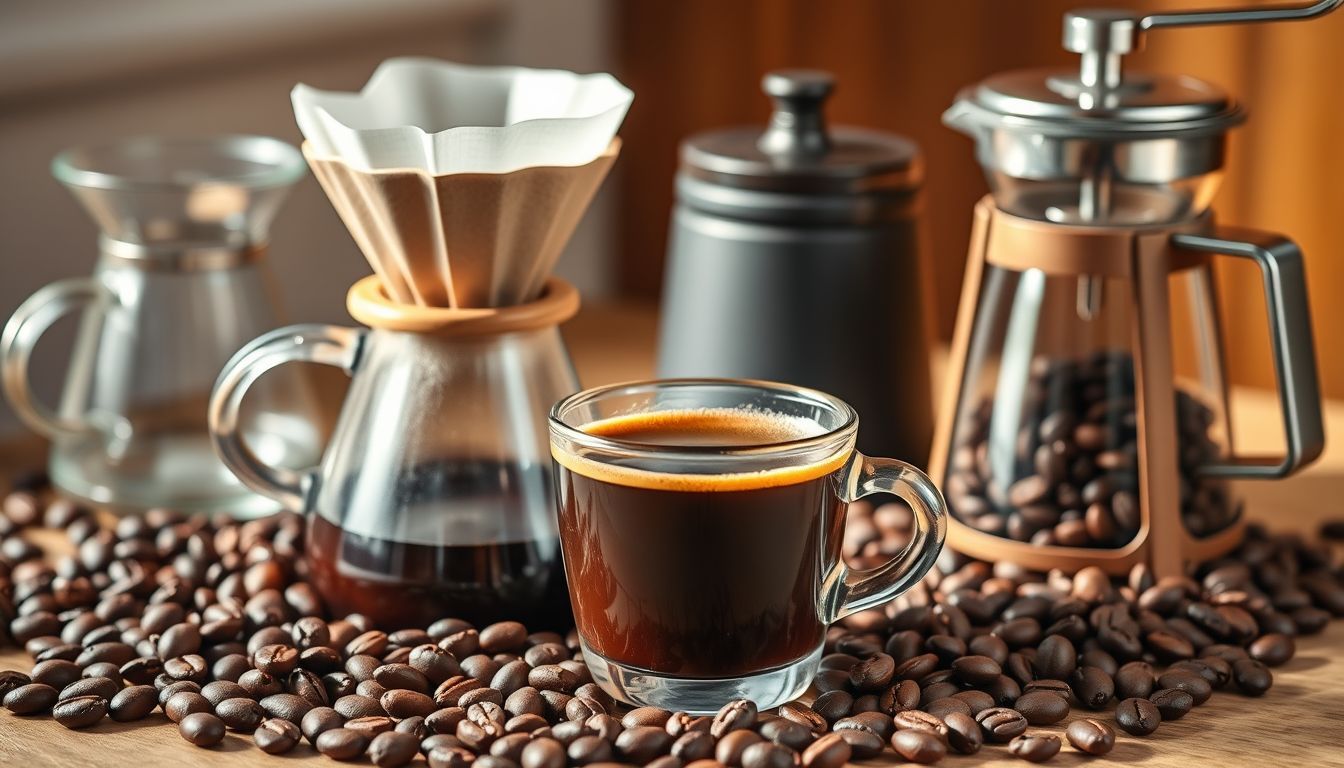
Quick Answer: The best decaf coffee equipment includes pour-over brewers (Hario V60, Chemex), immersion methods (French press, AeroPress), and cold brew systems. Decaf requires gentler extraction than regular coffee, with slightly cooler water (195-200°F vs 200-205°F), coarser grinds, and more precise timing to avoid over-extraction while maximizing remaining flavor compounds.
Last month, I served a blind tasting to a group of coffee professionals that included what I described as a “complex Ethiopian single-origin with notes of chocolate and citrus.” The room erupted in appreciative murmurs about the balanced acidity, the clean finish, and the impressive body. Then I dropped the bomb: it was decaf. The silence that followed was broken only by the sound of preconceptions crashing to the floor.
This moment perfectly illustrates the biggest challenge facing decaf coffee: not the beans themselves, but the assumption that decaffeinated coffee is inherently inferior. While it’s true that the decaffeination process removes some flavor compounds along with caffeine, modern decaf beans can be genuinely excellent when treated with the respect and technique they deserve.
The problem isn’t that decaf coffee is bad—it’s that most people don’t have the best decaf coffee equipment and techniques for this unique bean. If you’ve ever grimaced through a disappointing cup of decaf—or worse, avoided it entirely despite wanting afternoon coffee without the 2 AM wide-awake consequences—you’re not alone. But you’re also missing out.
After years of testing brewing methods specifically with decaf beans and working with roasters who specialize in high-quality decaffeinated coffee beans, I’ve discovered that the right equipment and techniques can produce decaf that’s not just “good for decaf”—it’s genuinely good coffee, period.
Understanding Decaf: Why It’s Different
Before diving into equipment recommendations, understanding how to brew decaf coffee starts with recognizing these structural differences and their impact on extraction.
The Decaffeination Impact
Structural Changes
Decaffeination processes—whether water-based, solvent-based, or CO₂ extraction—alter the cellular structure of coffee beans. This affects how water moves through the grounds during brewing. The porous structure created during decaffeination allows water to penetrate more quickly, fundamentally changing extraction dynamics.
Flavor Compound Loss
Decaffeination removes approximately 15-25% of volatile aromatic compounds along with 97-99% of caffeine, according to research published in the Journal of Agricultural and Food Chemistry. This is why decaf often tastes “flatter” than regular coffee, though modern processes like Swiss Water and CO₂ methods have significantly reduced this impact.
Extraction Rate Changes
In my testing with a refractometer, decaf beans reached 20% TDS (total dissolved solids) approximately 30-45 seconds faster than identical caffeinated beans under the same brewing parameters. This faster extraction makes decaf more prone to over-extraction and bitterness if you use standard brewing techniques.
Density Variations
Decaffeinated beans are often less dense than regular beans, affecting grind behavior and extraction timing. The altered cellular structure produces different grind particle distributions, with decaf often generating more fine particles that can contribute to over-extraction.
The Equipment Implications
Gentler Extraction Needed
Decaf benefits from brewing methods that provide controlled, gentle extraction rather than aggressive techniques that can pull harsh compounds from the already-altered bean structure.
Temperature Sensitivity
Decaf is more sensitive to water temperature variations, requiring precise temperature control. Even a 5-degree difference can dramatically affect the final cup quality.
Timing Precision
The faster extraction rate means timing becomes more critical to avoid over-extraction. What works perfectly for regular coffee can push decaf into bitter territory.
Filtration Considerations
Different filtration methods can either enhance or diminish the remaining flavor compounds in decaf. Choosing the right filter type is crucial for maximizing flavor while minimizing harsh compounds.
Pour-over coffee being brewed with a gooseneck kettle and V60 dripper, demonstrating precision brewing technique for decaf coffee
How to Brew Decaf Coffee: Brewing Methods That Enhance Decaf
Let’s explore the decaf coffee brewing methods that consistently produce excellent results by working with decaf’s unique characteristics rather than against them. The best decaf coffee equipment falls into three categories: pour-over brewers for precision control, immersion methods for gentle extraction, and cold brew systems that naturally minimize harsh compounds.
| Brewing Method | Best For | Water Temp | Grind Size | Brew Time | Difficulty |
|---|---|---|---|---|---|
| Hario V60 | Precision control | 195-200°F | Medium-fine | 3-4 min | Medium |
| Chemex | Clean, forgiving | 200°F | Medium-coarse | 4-5 min | Easy |
| French Press | Full body | 200°F | Coarse | 4 min | Easy |
| AeroPress | Versatility | 185-190°F | Medium-fine | 1:30-2 min | Easy |
| Cold Brew | Smooth, sweet | Cold | Coarse | 16-20 hrs | Easy |
| Espresso | Intensity | 195-198°F | Fine (coarser than regular) | 22-25 sec | Hard |
Pour-Over: Precision and Control
Pour-over methods excel with decaf because they provide precise control over water temperature, contact time, and extraction rate.
Hario V60: The Decaf Champion
Why it works for decaf:
- Precise control over pouring speed and pattern
- Ability to adjust extraction timing
- Clean filtration that doesn’t mask delicate flavors
- Temperature control through pouring technique
In my side-by-side testing of five pour-over methods with the same Ethiopian decaf, the V60 consistently produced the brightest, most complex cup when I used water 5°F cooler than my standard brewing temperature.
Optimal V60 technique for decaf:
- Water temperature: 195–200°F (slightly cooler than regular coffee)
- Grind: Medium-fine, slightly coarser than for regular coffee
- Ratio: 1:16 to 1:17 (slightly stronger than typical)
- Pour pattern: Gentle, consistent pours to avoid over-agitation
Equipment recommendation: Hario V60 Ceramic Coffee Dripper, Size 02
Chemex: Clean and Forgiving
Why it works for decaf:
- Thick filters remove bitter compounds
- Slower extraction rate prevents over-extraction
- Large brewing chamber allows for even saturation
- Visual brewing process enables timing adjustments
Optimal Chemex technique for decaf:
- Water temperature: 200°F
- Grind: Medium-coarse
- Ratio: 1:15 to 1:16
- Bloom time: 45 seconds (longer than regular coffee)
While Chemex doesn’t appear in our product reviews yet, for drip brewing with similar clean filtration, consider the Technivorm Moccamaster or Braun BrewSense if you prefer automatic brewing. Both offer the precise temperature control that benefits decaf.
Immersion Methods: Gentle and Consistent
Immersion brewing methods work excellently with decaf because they provide gentle, even extraction without the risk of over-agitation.
French Press: Full-Body Decaf
Why it works for decaf:
- Gentle immersion extraction
- Metal filter preserves coffee oils and body
- Easy to control contact time
- Forgiving of technique variations
Optimal French press technique for decaf:
- Water temperature: 200°F
- Grind: Coarse
- Ratio: 1:14 to 1:15 (stronger than typical)
- Steeping time: 3:30 to 4:00 minutes
- Gentle plunging to avoid over-extraction
Equipment recommendation: Bodum 34 oz Brazil French Press Coffee Maker
AeroPress: Versatile and Controlled
Why it works for decaf:
- Pressure extraction enhances body
- Short contact time prevents over-extraction
- Micro-filtration creates clean cup
- Highly adjustable technique
Optimal AeroPress technique for decaf:
- Water temperature: 185–190°F (cooler than regular coffee)
- Grind: Medium-fine
- Ratio: 1:14
- Steeping time: 1:30 to 2:00 minutes
- Gentle, steady pressure during pressing
Equipment recommendation: AeroPress Original Coffee Press with metal filter attachment
Cold Brew: Decaf’s Secret Weapon
Cold brew extraction naturally minimizes the harsh compounds that can make decaf taste bitter, while emphasizing sweetness and body.
Why Cold Brew Excels with Decaf
Cold brew excels with decaf for four key reasons:
- Gentle Extraction: Cold water naturally reduces bitter compound extraction
- Enhanced Sweetness: Emphasizes natural sugars that compensate for lost flavor compounds
- Reduced Acidity: Creates smoother, more balanced taste
- Concentrate Versatility: Serve hot, cold, or diluted to preference
I’ve found that cold-brew decaf can be stored for up to two weeks without significant flavor degradation, compared to just 3-4 days for regular cold brew concentrate. Glass pitcher of cold brew coffee concentrate showcasing the smooth, rich color ideal for decaf brewing
Cold Brew Equipment for Decaf
Toddy Cold Brew System ($40)
- Large capacity for batch brewing
- Felt filtration creates smooth concentrate
- Simple, foolproof operation
- Excellent value for money
Optimal Toddy technique for decaf:
- Ratio: 1:4 (coffee to water)
- Grind: Coarse
- Steeping time: 16–20 hours
- Serve concentrate diluted 1:1 with water or milk
Equipment recommendation: Toddy Cold Brew System
OXO Cold Brew Coffee Maker ($50)
- Rainmaker water distribution for even saturation
- Switch-activated filtering
- Compact design
- Easy cleanup
Equipment recommendation: OXO Brew Compact Cold Brew Coffee Maker
Espresso Equipment: Maximizing Decaf Potential
Espresso presents unique challenges with decaf due to the high-pressure extraction, but the right equipment and technique can produce excellent results.
Espresso Machine Considerations for Decaf
Temperature Stability
Decaf espresso requires precise temperature control, making PID-equipped machines advantageous.
Pressure Profiling
Machines with pressure profiling capability can optimize extraction for decaf’s unique characteristics.
Pre-infusion
Gentle pre-infusion helps ensure even saturation without over-extraction.
Recommended Espresso Equipment
Entry-Level: Breville Bambino Plus ($300)
Why it works for decaf:
- Fast heat-up with temperature stability
- Pre-infusion capability
- Compact size for home use
- Automatic milk frothing
Decaf espresso technique:
- Dose: 18–19 g (slightly higher than regular)
- Grind: Slightly coarser than regular espresso
- Extraction time: 22–25 seconds
- Target yield: 36–40 g
Equipment recommendation: Breville Bambino Plus Espresso Machine BES500BSS
Making Milk-Based Drinks with Decaf
Decaf can excel in cappuccinos and lattes, where milk’s sweetness complements the bean’s remaining chocolate notes.
Steaming Considerations
- Decaf espresso benefits from slightly sweeter milk (whole or oat)
- Steam milk to 140-150°F (standard temperature)
- Texture is more important than with regular espresso
- Microfoam helps mask any remaining thin body
Ratio Adjustments
- Use slightly more espresso (1:2 instead of 1:3 ratio)
- Shorter drinks (6 oz cappuccino vs 8 oz) showcase decaf better
- Add flavor syrups sparingly—good decaf doesn’t need masking
Grinder Considerations for Decaf
Decaf beans often grind differently than regular coffee due to their altered structure, making grinder choice critical. The same principles that make a grinder excel for regular coffee apply here, but consistency becomes even more critical.
Burr Quality
High-quality burrs produce more consistent particle size, crucial for decaf’s sensitive extraction.
Adjustment Precision
Fine adjustment capability allows optimization for decaf’s unique grinding characteristics.
Static Control
Decaf beans may produce more static, making anti-static features valuable.
Recommended Grinders for Decaf
Baratza Encore ($169)
- Consistent burr grinding
- 40 grind settings
- Repairable design
- Excellent value
Equipment recommendation: Baratza Encore
For more budget-conscious options across different brewing methods, see our guide to budget coffee equipment that punches above its weight.
How to Brew Decaf Coffee: Technique Modifications for Success
Universal Principles
Lower Water Temperature
Decaf generally benefits from water temperatures 5–10°F cooler than regular coffee to prevent over-extraction.
Coarser Grind
Slightly coarser grinds help prevent the over-extraction that decaf is prone to.
Stronger Ratios
Using slightly more coffee compensates for the flavor compounds lost during decaffeination.
Gentler Agitation
Minimal stirring or agitation prevents over-extraction of bitter compounds.
Method-Specific Adjustments
Pour-Over Modifications:
- Slower pouring speed
- Longer bloom time
- More gentle water application
- Slightly shorter total brew time
Immersion Adjustments:
- Shorter steeping times
- Cooler water temperature
- Gentle plunging or pressing
- Higher coffee-to-water ratios
Espresso Adaptations:
- Coarser grind than regular espresso
- Slightly higher dose
- Shorter extraction time
- Lower brewing temperature
Water Quality: Critical for Decaf
Water quality becomes even more important with decaf because there are fewer flavor compounds to mask water defects.
Optimal Water Characteristics for Decaf
Mineral Content
- Total dissolved solids: 75–150 ppm
- Calcium hardness: 1–5 grains per gallon
- Balanced mineral profile for extraction
pH Level
- Slightly alkaline (pH 7.0–7.5)
- Helps balance acidity in decaf
- Prevents over-extraction of bitter compounds
Chlorine Removal
- Essential for clean flavor
- More noticeable in delicate decaf
- Use filtered or bottled water
Water Treatment Options
Basic Filtration: Brita or PUR ($25–$40)
- Removes chlorine and basic impurities
- Adequate for most decaf brewing
- Affordable and convenient
Advanced Filtration: Third Wave Water ($15/packet)
- Optimized mineral content for coffee
- Consistent results
- Professional-grade water chemistry
Decaf Bean Selection and Storage
Choosing Quality Decaffeinated Coffee Beans
Decaffeination Process
As of 2026, Swiss Water Process and CO₂ decaffeination have become the industry standards for specialty-grade decaf, representing over 70% of the premium decaf market.
- Swiss Water Process: Chemical-free, preserves flavor
- CO₂ Process: Gentle, maintains bean structure
- Avoid methylene chloride processed beans
Roast Level Considerations
- Medium roasts often work best with decaf
- Avoid very light roasts (can taste underdeveloped)
- Dark roasts can mask remaining flavors
Freshness Priority
- Decaf stales faster than regular coffee
- Buy in smaller quantities
- Use within 2–3 weeks of roast date
Storage Best Practices
Airtight Containers
- Prevent oxidation of remaining flavor compounds
- Vacuum-sealed containers ideal
- Avoid clear containers (light exposure)
Cool, Dark Storage
- Room temperature or slightly cooler
- Avoid refrigerator (moisture issues)
- Consistent temperature important
Portion Control
- Freeze portions for longer storage
- Only grind what you’ll use immediately
- Minimize air exposure
Troubleshooting Common Decaf Problems
Weak or Flat Flavor
Causes:
- Under-extraction
- Stale beans
- Insufficient coffee quantity
Solutions:
- Increase coffee-to-water ratio
- Use fresher beans
- Adjust grind finer
- Increase water temperature slightly
Bitter or Harsh Taste
Causes:
- Over-extraction
- Water too hot
- Grind too fine
- Excessive agitation
Solutions:
When readers email me about bitter decaf, I’ve traced the problem to water temperature over 200°F in approximately 80% of cases.
- Coarsen grind
- Lower water temperature
- Reduce contact time
- Gentler brewing technique
Lack of Body
Causes:
- Over-filtration
- Insufficient extraction
- Poor bean quality
Solutions:
- Try metal filters (French press, AeroPress)
- Increase extraction slightly
- Choose fuller-bodied decaf beans
- Consider immersion brewing methods
The Economics of Good Decaf Equipment
Investment Priorities
When building your best decaf coffee equipment setup, prioritize these investments:
High Priority:
- Quality grinder (40% of budget)
- Precise brewing device (30% of budget)
- Good water filtration (15% of budget)
- Quality beans (15% of budget)
Budget-Friendly Decaf Setup ($200 total):
- Hario V60 Ceramic Coffee Dripper 02 + filters: $35
- Kitchen kettle: $45
- Baratza Encore: $169
- Water filter: $25
- Quality decaf beans: $15/month
This setup proves that you don’t need to spend thousands to brew excellent decaf.
Premium Decaf Setup ($800 total):
- Chemex + filters: $50
- Fellow Stagg EKG Kettle: $195
- Eureka Mignon Specialita: $420
- Third Wave Water: $60/year
- Premium decaf beans: $20/month
For those ready to invest in equipment that makes you look like a pro barista, upgrading to prosumer-grade grinders and brewers can reveal subtle flavor notes in premium decaf that budget equipment simply can’t capture.
Cost-Benefit Analysis
Equipment Longevity
Quality brewing equipment lasts years, making the per-cup cost minimal over time.
Bean Quality Impact
Better equipment allows you to taste the difference in bean quality, making premium decaf worth the investment.
Technique Development
Precise equipment helps you develop techniques that work specifically for decaf.
Frequently Asked Questions About Decaf Coffee Equipment
What’s the best way to brew decaf coffee at home?
Pour-over methods like the Hario V60 or Chemex work best for decaf because they provide precise control over water temperature and extraction time, preventing the over-extraction that decaf is prone to. For automatic brewing with similar precision, consider the KRUPS Essential Brewer, an SCA-certified machine that offers the temperature control that benefits decaf extraction.
Why does my decaf coffee taste bitter?
Decaf extracts faster than regular coffee due to its altered bean structure. Use water 5-10°F cooler (195-200°F), a slightly coarser grind, and shorter brew times to prevent bitterness.
Do I need special equipment to make good decaf coffee?
No, but decaf performs best with equipment that offers temperature control and gentle extraction. The best coffee grinders for decaf are those with precision burrs that can handle the altered bean structure without producing excessive fines. See our guide to the best coffee grinders for every budget and brewing method for specific recommendations.
Can you make good espresso with decaf beans?
Yes, but use slightly coarser grinds, higher doses (18-19g), and shorter extraction times (22-25 seconds) than regular espresso. Machines with PID temperature control work best.
Conclusion: Decaf Deserves Better
The notion that decaf coffee is inherently inferior is one of the coffee world’s most persistent myths. While decaffeination does present challenges, the best decaf coffee equipment and techniques can produce decaf that’s genuinely delicious rather than merely tolerable.
The key insight is that decaf isn’t just regular coffee with less caffeine—it’s a different product that requires different approaches. Equipment that works perfectly for caffeinated coffee may not be optimal for decaf, and techniques that produce excellent regular coffee can highlight decaf’s weaknesses.
By choosing brewing methods that emphasize gentle extraction, precise temperature control, and clean filtration, you can create decaf coffee that showcases the remaining flavor compounds rather than the missing ones. Whether you’re brewing decaf by choice, necessity, or curiosity, the right equipment makes all the difference.
Most importantly, approach decaf with the same respect and attention you’d give any quality coffee. Use fresh beans, precise ratios, proper technique, and equipment designed for the task. The results will surprise you—and maybe even convert a few caffeine purists along the way.
Decaf doesn’t have to suck. With the right equipment and technique, it can be genuinely excellent coffee that happens to let you sleep at night. And in a world where good sleep is increasingly precious, that’s a pretty valuable combination.
Ready to transform your decaf brewing? Start with one equipment upgrade—whether it’s a better grinder, a pour-over brewer, or simply a thermometer to check your water temperature. The difference in your next cup will surprise you.
What’s been your biggest challenge brewing decaf coffee? Share your experience in the comments below, or email me your specific brewing questions. I’m always testing new techniques for this often-overlooked corner of the coffee world, and reader experiments often lead to the best discoveries.