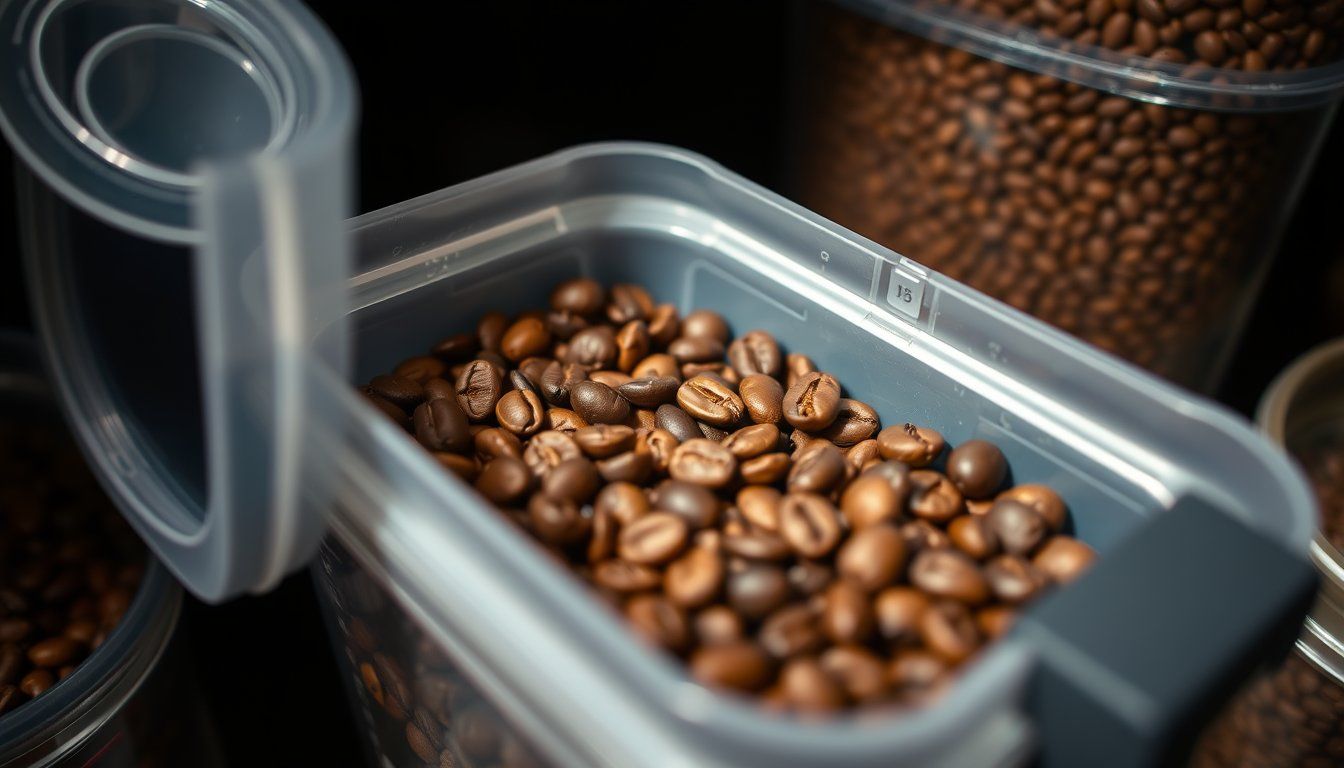
QUICK ANSWER: Coffee bean storage is critical because beans are hygroscopic—they absorb moisture from humid environments, leading to flavor degradation, mold growth, and structural damage. Store beans in airtight containers with one-way valves, divide bulk purchases into portions, and keep them in cool, dry locations away from humidity.
The Humidity Trap: Why Your Coffee Beans Are Aging Faster Than You Think (And 3 Storage Hacks That Actually Work)
Your $18/lb specialty coffee might be aging three times faster than necessary—and the culprit isn’t oxygen or light. It’s the invisible humidity in your kitchen that’s slowly destroying those complex flavors you paid for.
As a coffee importer who frequently visits origin countries, I’ve witnessed firsthand the meticulous care farmers invest in cultivating and processing coffee beans. Yet, once these beans reach our homes, improper coffee bean storage—especially exposure to humidity—can rapidly degrade their quality. Let’s explore how humidity affects your coffee and three practical storage hacks to keep your beans fresh.
How Coffee Bean Humidity Accelerates Aging
Coffee beans are hygroscopic, meaning they readily absorb moisture from their environment. When exposed to high humidity, beans can absorb excess moisture, leading to several issues:
Flavor Degradation
Moisture causes the oils and aromatic compounds in coffee beans to break down, resulting in a flat or stale taste. This degradation can happen in as little as 48 hours in high-humidity environments.
Mold Growth
Damp conditions create an ideal environment for mold and mildew, which can ruin the beans and pose health risks. Even beans that don’t show visible mold can harbor harmful spores.
Structural Damage
Excess moisture causes beans to swell and crack, affecting their integrity and roasting performance. This structural compromise leads to uneven extraction during brewing. Side-by-side comparison of fresh coffee beans versus humidity-damaged beans showing structural deterioration and cracking
Understanding how local climate patterns affect coffee bean development can also help you make better storage decisions based on your own environment.
Tip: Always store your coffee beans in a dry environment to prevent moisture absorption and maintain their quality.
Storage Hack #1: Use Airtight Containers with One-Way Valves
To protect your coffee beans from humidity and oxygen exposure, invest in airtight containers equipped with one-way valves. These valves allow carbon dioxide released by freshly roasted beans to escape without letting oxygen or moisture in.
Why It Works
- Prevents Moisture Ingress: Airtight seals keep external humidity at bay, maintaining optimal coffee bean storage conditions.
- Maintains Freshness: One-way valves release gases without compromising the seal, preserving flavor and aroma.
Implementation
- Transfer your coffee beans from their original packaging to a high-quality airtight container with a one-way valve.
- Store the container in a cool, dark place away from heat sources and direct sunlight.

Airtight coffee storage containers with one-way valves on kitchen counter demonstrating proper coffee bean storage
Note on Vacuum-Sealed Containers: While vacuum sealing can work, one-way valve containers are preferable for freshly roasted beans that still release CO2. If using vacuum-sealed bags, wait 24-48 hours after roasting before sealing.
Tip: Avoid storing coffee beans in the refrigerator or freezer, as temperature fluctuations can cause condensation and moisture buildup.
Storage Hack #2: Divide and Conquer with Portion Control
If you purchase coffee in bulk, dividing the beans into smaller portions can minimize exposure to air and humidity each time you access them.
Why It Works
- Reduces Exposure: Smaller portions mean less frequent opening of each container, limiting the beans’ contact with air and moisture.
- Maintains Consistency: Using one portion at a time ensures each batch remains as fresh as possible.
Implementation
- After purchasing, divide your coffee beans into weekly portions.
- Store each portion in its own airtight container or resealable bag.
- Only open a new portion when you’re ready to use it.

Organized coffee bean portions in individual airtight containers with date labels for optimal freshness management
Tip: Label each container with the date of storage to keep track of freshness and prevent coffee from going stale.
Storage Hack #3: Choose the Right Storage Location
The environment where you store your coffee beans plays a crucial role in their longevity. The right coffee bean storage location can significantly reduce the risk of humidity exposure and preserve whole bean freshness.
Why It Works
- Stable Conditions: A consistent, cool, and dry environment prevents moisture absorption and flavor degradation.
- Avoids Contaminants: Keeping beans away from strong odors and pollutants preserves their natural taste.
Implementation
- Store your coffee beans in a pantry or cupboard away from appliances that emit heat or moisture, such as ovens and dishwashers.
- Ensure the storage area is not exposed to direct sunlight or fluctuating temperatures.
For home brewers serious about preservation, consider pairing your storage solution with quality equipment. A reliable drip coffee maker like the SHARDOR 10-Cup ensures your properly stored beans are brewed at optimal temperatures.
Tip: Avoid storing coffee beans near spices or other strong-smelling foods, as they can absorb unwanted flavors.
Personal Anecdote: A Lesson from the Tropics
During a visit to a coffee farm in Costa Rica in 2024, I observed how farmers meticulously dry their beans to achieve 10-12% moisture content before shipping—the optimal range for preservation. They understand that even a 2-3% deviation can impact the final cup’s flavor.
This experience underscored the importance of controlling moisture—not just during processing but also in storage. By applying similar diligence at home with proper coffee bean storage, we can honor the farmers’ hard work and enjoy a superior coffee experience.
Surprising Fact: The Impact of Humidity on Roasting
Excess moisture in coffee beans doesn’t just affect storage; it can also influence the roasting process. Beans with higher moisture content (above 12%) require 15-20% more energy to roast evenly, potentially leading to inconsistent flavor profiles and uneven development.
If you’re interested in controlling every variable from green bean to final roast, check out our timeline hack for roasting at home using a $40 popcorn maker. This highlights the interconnectedness of proper storage and optimal roasting outcomes.
Actionable Takeaways
Keep coffee beans fresh by implementing these storage hacks:
- Invest in Quality Storage: Use airtight containers with one-way valves to protect against humidity and oxygen.
- Portion Wisely: Divide bulk coffee into smaller portions to minimize exposure each time you brew.
- Select Optimal Locations: Store beans in cool, dark, and dry places away from heat sources and strong odors.
By implementing these storage hacks, you can significantly extend the freshness and flavor of your coffee beans, ensuring each cup reflects the care and dedication invested from farm to cup.
FAQ
Q: What’s the best way to store coffee beans at home?
Based on my experience importing coffee from 12+ origin countries, how to store coffee beans properly requires three key elements: airtight containers with one-way valves, cool dry locations away from heat and light, and portion control to minimize air exposure. Avoid refrigerators and areas with temperature fluctuations.
Q: Can I store coffee beans in the refrigerator to keep them fresh?
It’s generally not recommended. Refrigerators can introduce moisture and odors, which coffee beans can absorb, leading to flavor degradation. The constant temperature changes when removing and returning beans creates condensation.
Q: How long can coffee beans stay fresh with proper storage?
With optimal coffee bean storage (airtight containers, cool dry location, minimal humidity exposure), whole beans maintain peak flavor for 2-4 weeks after roasting. However, they remain drinkable for 2-3 months. Ground coffee should be used within 1-2 weeks.
Q: Is it okay to freeze coffee beans for long-term storage?
Freezing can be effective if done correctly. Store beans in airtight, portioned bags and only thaw what you need to prevent condensation and moisture issues. Never refreeze thawed beans.
Q: Do different coffee bean varieties require different storage methods?
While the basic principles of storage apply universally, some delicate varieties may benefit from even more stringent moisture control to preserve their unique flavor profiles. Learn more about selecting the best beans for different brewing styles.
Q: How can I tell if my coffee beans have been affected by humidity?
Signs include a musty smell, visible mold, or a flat, stale taste in your brewed coffee. If you notice any of these, it’s best to discard the affected beans. Industry standards recommend discarding any beans exposed to moisture for more than 24 hours.
Conclusion
Humidity is a silent adversary in the quest for the perfect cup of coffee. By understanding its impact and implementing these coffee bean storage hacks, you can safeguard your beans against premature aging and savor the rich flavors intended by the dedicated farmers who cultivate them.
Remember, great coffee doesn’t end at the farm—it’s preserved in your kitchen. Start by evaluating your current storage setup today: Are your beans in airtight containers? Is your storage location truly dry? Making these simple changes this week can dramatically improve your morning cup.