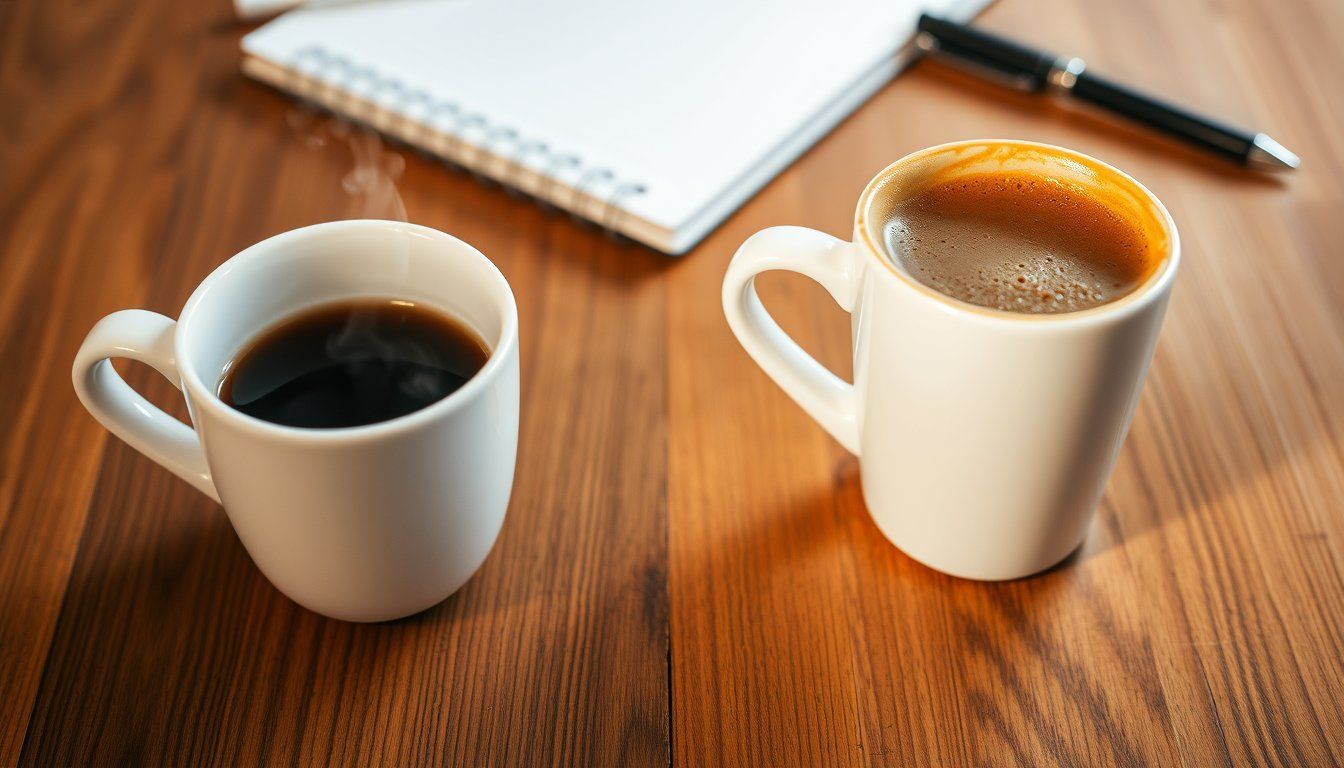
Quick Answer
Day-old coffee reveals hidden flavor notes because volatile aromatic compounds dissipate over time, unmasking subtle chocolate, caramel, and nutty undertones that fresh coffee’s bright acidity and citrus notes often overshadow. This makes leftover coffee an unexpected but powerful tool for developing your coffee palate and identifying your true flavor preferences.
Introduction
What if the stale coffee you’re about to dump could teach you more about flavor than a $20 cupping class? That forgotten cup from yesterday might be the best coffee palate development tool you’re ignoring. While it might seem unappealing, this practice can offer profound insights into your coffee flavor profile preferences and how time reveals hidden tasting notes. Let’s embark on an experiment to explore how the flavors of coffee evolve over time and what this means for your palate.
Hypothesis: Understanding the Coffee Flavor Profile Evolution
Coffee’s flavor profile changes as it sits over time, and tasting day-old coffee can help individuals identify and appreciate subtle flavor notes that may be overshadowed in a fresh brew.
Method
Materials Needed
- Freshly roasted coffee beans
- Grinder
- Brewing equipment (e.g., pour-over setup)
- Two identical cups
- Timer
- Notebook for observations
Procedure
Step 1: Brew Fresh Coffee
- Grind 20 grams of coffee beans to medium-coarse consistency
- Brew using 300 ml of water at 93°C (200°F)
- Divide between two identical cups
Step 2: Immediate Tasting (Day 1)
- Cool to 60°C (140°F)—the optimal temperature where human taste buds detect the widest range of flavors without burning the palate
- Note: aroma, acidity, body, flavor notes
- Record all observations in detail
Step 3: Store Second Cup
- Cover and leave at room temperature
- Wait 24 hours
Step 4: Next-Day Comparison (Day 2)
- Reheat to 60°C (140°F)
- Compare: aroma, acidity, body, flavor notes
- Record all changes systematically
Results: How the Coffee Flavor Profile Transforms Over 24 Hours
The following coffee tasting notes demonstrate how dramatically flavors shift between fresh and day-old brew:
Immediate Tasting Observations
- Aroma: Bright and floral with hints of citrus
- Acidity: Pronounced, providing a lively and crisp sensation
- Body: Medium-bodied with a smooth mouthfeel
- Flavor Notes: Dominant citrus and berry notes with subtle undertones of chocolate
Next-Day Tasting Observations
- Aroma: Muted compared to the fresh brew, with diminished floral notes
- Acidity: Reduced, resulting in a smoother, less tangy experience
- Body: Slightly thinner, with a less pronounced mouthfeel
- Flavor Notes: Enhanced chocolate and nutty undertones, with diminished citrus and berry notes
Practical Application
Understanding Flavor Evolution
Understanding how coffee flavors change over time reveals which volatile compounds create brightness versus which stable compounds provide depth. Research shows that aromatic compounds like aldehydes and ketones decrease by up to 70% within the first 4 hours, while more stable compounds like melanoidins—responsible for chocolate notes—remain constant. As coffee sits, these volatile compounds responsible for its aroma and acidity dissipate, leading to a mellower coffee flavor profile. This transformation can help you identify underlying flavor notes that are less perceptible in a fresh brew, revealing the full spectrum that develops as your brew ages.
Developing Your Palate
By tasting coffee at different stages, you can train your palate to detect subtle flavors and understand how various factors influence taste. This coffee palate development technique is used by professional tasters worldwide. This practice aligns with the Specialty Coffee Association’s cupping protocols, where professional tasters evaluate coffee at multiple temperatures—typically starting at 93°C and reassessing as it cools to room temperature—to capture its full flavor spectrum. Professional coffee cupping setup showing multiple white cups arranged for systematic tasting and evaluation This approach helps you understand how factors like growing altitude influence coffee flavor profiles from farm to cup.
Tip for Home Brewers
To enhance your tasting skills, try brewing a cup of coffee using quality brewing equipment like the OXO 9-Cup and sampling it at intervals—immediately after brewing, after 30 minutes, and the next day. Note the changes and identify which flavors become more prominent over time.
Personal Anecdote
Last month, I left a Kenyan AA coffee untouched for 8 hours. When I returned, the initial grapefruit acidity had completely vanished, revealing a honey-like sweetness and distinct dark chocolate finish I’d completely missed in the fresh cup. Side-by-side comparison of fresh coffee and day-old coffee in identical cups demonstrating flavor evolution experiment This single experience changed how I approach coffee tasting notes evaluation and sparked my curiosity to explore systematically how time influences coffee flavors.
Surprising Insight
Contrary to popular belief, allowing coffee to rest can sometimes enhance certain flavor notes. While freshness is often emphasized, this experiment shows that time can unveil hidden complexities in your brew. Just as fermentation techniques create initial flavor profiles, time continues to transform them in unexpected ways.
Actionable Takeaways
To develop your coffee palate using this method:
- Experiment with Timing: Taste your coffee at 0 minutes (fresh), 30 minutes (warm), 4 hours (room temp), and 24 hours (next day) to observe the full evolution
- Keep a Tasting Journal: Document these specific elements:
- Initial aroma intensity (1-10 scale)
- Acidity level changes
- Flavor notes that emerge or fade
- Overall preference rating
- Engage in Comparative Tasting: Brew identical cups from the same batch to eliminate variables and directly compare flavor changes
- Try Different Origins: Ethiopian beans may show different evolution patterns than Colombian, expanding your understanding of regional characteristics
FAQ
Is it safe to drink day-old coffee?
Yes, as long as it’s been stored properly. However, the flavor profile will change, and reheating can further alter the taste.
Can I apply this method to different brewing techniques?
Absolutely. Whether you use a French press, espresso machine, or drip brewer like the SHARDOR 10-Cup, observing how flavors change over time can be insightful.
Does the type of coffee bean affect how flavors evolve?
Yes, different beans have unique compositions, so their flavor evolution can vary. Experimenting with various beans can provide a broader understanding of how origin and processing impact the coffee flavor profile.
Should I refrigerate the coffee if I plan to taste it the next day?
Storing at room temperature is sufficient for this experiment. Refrigeration can introduce other variables that might affect the flavor.
How can I enhance my ability to detect subtle flavors?
Regular practice, using tools like the coffee flavor wheel, and participating in cupping sessions can sharpen your palate.
Does this work with cold brew coffee?
Cold brew creates different evolution patterns because its extraction process already produces muted acidity. The flavor changes over 24 hours will be more subtle compared to hot-brewed coffee, but the chocolate and nutty notes can still become more pronounced.
What if I don’t notice any difference?
If you don’t detect flavor changes, consider these factors: you may have palate fatigue from tasting too quickly, the coffee temperature might not be optimal (aim for 60°C), or you may be using very dark-roasted beans where volatile compounds are already minimized. Try the experiment with a medium-roast single-origin coffee for more noticeable results. Coffee tasting journal with detailed flavor notes being recorded next to a cup of coffee for palate development
What happens to coffee flavor after 24 hours?
After 24 hours, volatile aromatic compounds have largely dissipated, reducing brightness and acidity by 60-70%. What remains are stable compounds like melanoidins and sugars that create chocolate, caramel, and nutty flavors. This creates a mellower, sweeter profile that reveals undertones masked by fresh coffee’s intensity.
Does old coffee help you taste coffee better?
Yes, strategically tasting day-old coffee is a legitimate coffee palate development technique. By removing the dominant volatile compounds, you can more easily identify subtle base flavors. This trains your palate to detect these notes even when they’re overshadowed in fresh coffee, making you a more skilled taster overall.
Conclusion
Exploring the changes in coffee flavors over time offers a unique opportunity to deepen your appreciation and understanding of this beloved beverage. By engaging in this simple experiment, you can uncover hidden notes and refine your tasting skills, making each cup a more enriching experience.
Your Challenge: Tomorrow morning, brew two cups using a reliable brewer like the Braun PureFlavor. Drink one fresh, save one for 24 hours. Come back and share which hidden flavors you discovered in the comments below.
Note: This experiment is intended for personal exploration and may not reflect all coffee experiences. Individual results may vary.