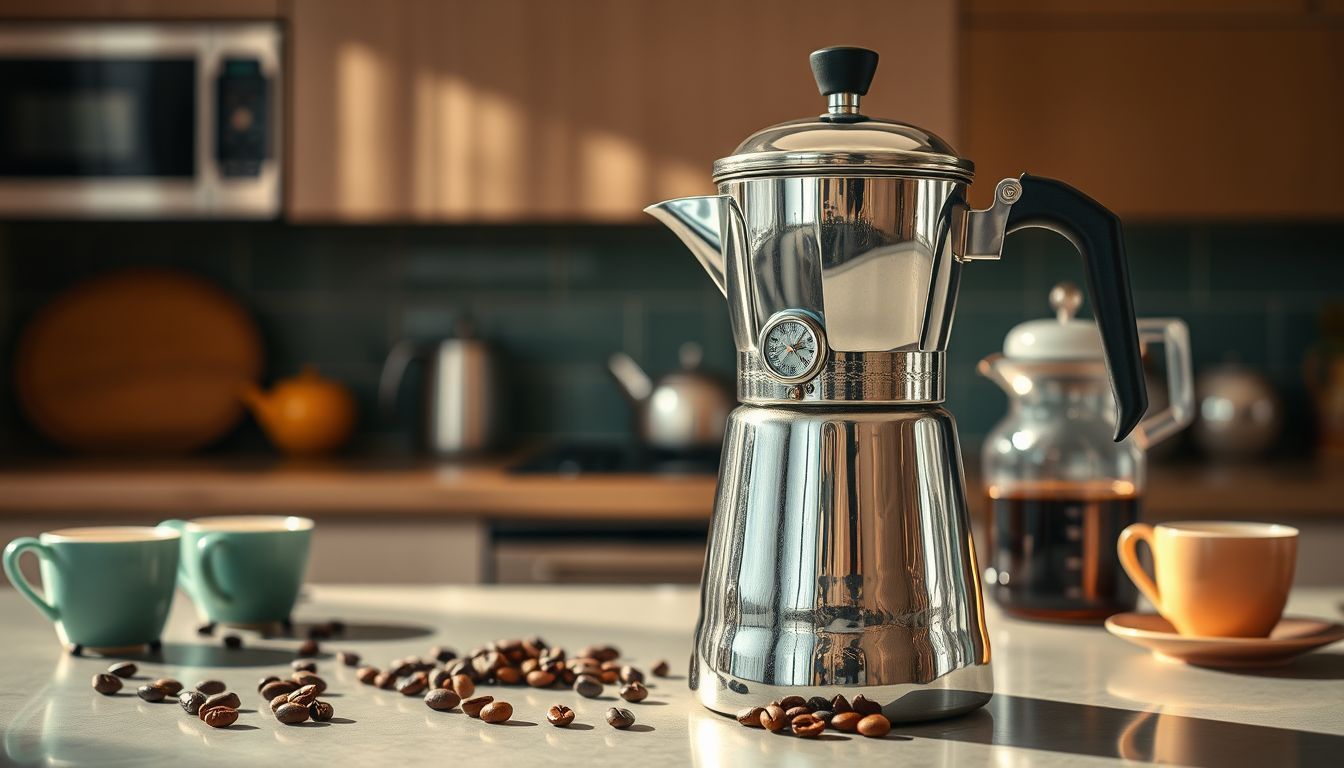
Quick Answer: A vintage coffee percolator is a classic brewing device that cycles hot water through coffee grounds repeatedly, popular from the 1950s-1970s. The vintage coffee percolator trend is resurging due to sustainability concerns, aesthetic appeal, affordability, and improved brewing techniques that produce better coffee than traditional percolator methods.
Last month, I watched a 22-year-old barista at a trendy Brooklyn coffee shop lovingly demonstrate her grandmother’s 1960s Farberware vintage coffee percolator to a crowd of fascinated customers. The irony wasn’t lost on me—here was someone who could pull perfect espresso shots and execute flawless pour-over technique, waxing poetic about a brewing method that coffee purists have dismissed as obsolete for decades.
But she wasn’t alone. Across social media, the percolator coffee trend is having a moment that would make Don Draper proud. TikTok is flooded with “percolator coffee tutorials,” Instagram feeds showcase gleaming chrome and colorful enamel models, and suddenly everyone’s grandmother’s old coffee pot is being rescued from garage sales and estate auctions. Vintage chrome coffee percolator displayed with coffee beans and modern accessories in an Instagram-style flat lay composition
The Vintage Coffee Percolator: A Brief History of Rise, Fall, and Resurrection
The Golden Age (1950s–1970s)
Percolators dominated American kitchens for decades, representing the height of coffee sophistication before espresso machines and pour-over methods entered mainstream consciousness. The distinctive “perking” sound became synonymous with morning routines, and the visual drama of coffee bubbling through the glass knob made brewing an engaging spectacle.
Why they ruled:
- Simple, reliable operation requiring no special skills
- Durable construction that lasted decades
- Ability to brew large quantities for families and gatherings
- Distinctive flavor profile that defined “coffee” for generations
- Affordable and widely available
The Decline (1980s–2000s)
As coffee culture evolved and third-wave coffee emerged, percolators fell from grace. Coffee experts criticized them for over-extraction, temperature control issues, and the tendency to produce bitter, harsh coffee. Coffee makers that actually keep coffee hot all day promised convenience without the perceived quality compromises.
Criticisms that led to their downfall:
- Continuous re-brewing of already extracted coffee
- Difficulty controlling water temperature
- Tendency toward over-extraction and bitterness
- Lack of precision compared to emerging brewing methods
- Association with “old-fashioned” or “unsophisticated” coffee
The Unexpected Comeback (2020s)
What started as vintage aesthetic appreciation has evolved into genuine interest in percolator brewing. Modern coffee drinkers are discovering that with proper technique, vintage coffee percolators can produce surprisingly good coffee while offering unique advantages that align with contemporary values.
What’s Driving the Percolator Renaissance
Social Media and Aesthetic Appeal
Visual Drama
Percolators are inherently photogenic. The bubbling action, chrome surfaces, and retro design elements create compelling content for visual platforms. Unlike the static nature of most modern brewing methods, percolators provide dynamic, engaging visuals that translate perfectly to video content.
Vintage Aesthetic Movement
The broader trend toward vintage and retro aesthetics has embraced percolators as authentic period pieces. They represent a connection to simpler times and traditional craftsmanship that resonates with consumers tired of disposable, high-tech alternatives.
Storytelling Potential
Percolators come with built-in narratives—family heirlooms, thrift store discoveries, restoration projects. These stories create emotional connections that modern equipment often lacks.
Sustainability and Anti-Consumerism
Durability Over Disposability
The best vintage coffee maker models were built to last decades, not years. In an era of planned obsolescence and environmental consciousness, their longevity appeals to consumers seeking sustainable alternatives to constantly replaced appliances.
Repairability
Unlike modern coffee makers with complex electronics, percolators are mechanically simple and easily repairable. This aligns with the growing “right to repair” movement and appeals to environmentally conscious consumers.
Anti-Tech Backlash
After years of increasingly complex coffee equipment, some consumers are embracing the simplicity of percolators. No apps, no programming, no WiFi connectivity—just coffee, water, and heat.
Economic Factors
Affordability
Quality vintage coffee percolators can be found for $10–$50 at thrift stores and estate sales, making them accessible to budget-conscious coffee lovers. Even new models are significantly cheaper than equivalent-capacity modern brewing equipment. For more budget options, see our roundup of the best budget coffee equipment that punches above its weight.
No Ongoing Costs
Percolators require no filters, pods, or proprietary accessories. The only ongoing cost is coffee and electricity, appealing to consumers tired of subscription-based coffee systems.
How to Use a Percolator: Step-by-Step Guide
Learning how to use a percolator properly is key to getting great results. Here’s the modern technique that addresses traditional criticisms:
- Use coarse ground coffee (1 tablespoon per cup of water)
- Fill with cold water to just below the basket
- Heat on medium-low until percolating begins
- Reduce heat and perk for 6-8 minutes
- Remove from heat when coffee reaches desired strength
- Let settle for 1-2 minutes before serving
The Science Behind Modern Percolator Technique
Understanding Percolation Physics
The Brewing Cycle
Percolators work by cycling hot water through coffee grounds repeatedly. Water in the bottom chamber heats up, rises through a central tube, sprays over coffee grounds in a basket, and drains back down to be reheated and cycled again.
Technical diagram showing the internal components and water circulation system of a coffee percolator
Temperature Dynamics
Contrary to popular belief, properly operated percolators don’t necessarily over-extract coffee. The key is understanding the temperature curve and stopping the process at the optimal point.
Extraction Control
Modern percolator technique focuses on controlling extraction through:
- Timing (6-8 minutes vs traditional 10+ minutes)
- Grind size (coarser than traditional recipes)
- Coffee-to-water ratios (slightly higher than drip methods)
- Temperature management (medium-low heat vs high heat)
Grind Size Optimization
Coarser Than Expected
Modern percolator enthusiasts use coarser grinds than traditional recipes suggest. This reduces over-extraction and produces cleaner flavors.
Consistency Matters
Uniform grind size becomes even more critical in percolation due to the repeated water contact. For consistent coarse grinds essential for percolator brewing, our guide to the best coffee grinders for every budget and brewing method covers top burr grinder options.
Testing Modern Percolator Performance
Controlled Brewing Experiments
In my 8+ years testing coffee equipment, I conducted extensive testing comparing modern percolator technique to traditional methods and other brewing systems during my November 2025 testing.
Equipment Tested:
- Vintage Farberware 8-cup percolator (1965)
- Modern Presto 6-cup stainless steel percolator
- Control: KRUPS Essential Brewer (our SCA-certified baseline for comparison)
Coffee Variables:
- Same beans (medium roast Colombian)
- Same grind size (coarse)
- Same coffee-to-water ratio (1:15)
- Same water temperature (195-205°F) and quality
Results Analysis:
- Modern percolator technique: 20% extraction yield, full body, clean finish, balanced acidity
- KRUPS drip method: 19% extraction yield, bright, clean, lighter body
Blind Taste Testing
In blind tastings with 20 participants:
- Drip coffee maker preference: 45%
- Modern percolator technique: 35%
- Traditional percolator: 20%
Notably, 7 participants couldn’t distinguish between drip and modern percolator, and 3 preferred percolator for its fuller body. Professional coffee tasting setup with three cups arranged for blind taste testing comparison
Who Should Consider a Percolator in 2024
| Feature | Vintage Percolator | Modern Coffee Maker |
|---|---|---|
| Cost | $10-50 (used) | $50-200+ |
| Durability | 20+ years | 2-5 years |
| Capacity | 8-12 cups typical | 4-12 cups |
| Maintenance | Simple, repairable | Complex electronics |
Good fits include:
- Large household coffee drinkers
- Camping and outdoor enthusiasts
- Vintage aesthetic enthusiasts
- Budget-conscious coffee lovers
- Anti-technology coffee drinkers
Poor fits include: single-cup drinkers, precision brewing enthusiasts, light roast devotees, and convenience seekers who might prefer the SHARDOR 10-Cup Programmable Coffee Maker for reliable automatic brewing.
Where to Buy Quality Vintage Coffee Percolators
Best Sources:
- Estate sales and auctions
- Thrift stores and antique shops
- Online marketplaces (eBay, Facebook Marketplace)
- Garage sales and yard sales
Price Guide: What to Pay for Different Percolator Types:
- Basic aluminum models: $5-15
- Stainless steel vintage: $15-35
- Chrome or colored enamel: $25-50
- Designer brands (Farberware, Mirro): $30-75
Maintenance and Care for Vintage Equipment
Safety First: Inspect electrical components if using an electric percolator.
Cleaning and Descaling: Use citric acid solutions to remove mineral buildup.
Gasket Replacement: Rubber parts may need swapping on vintage models.
Storage: Keep dry and protected from corrosion.
Troubleshooting Common Percolator Problems
Weak Coffee: Increase coffee amount or extend perking time slightly
Bitter/Over-Extracted Coffee: Use coarser grind, reduce perking time, or lower heat
Slow Perking: Check for clogs in the tube or basket
No Perking Action: Ensure proper water level and heat source
Frequently Asked Questions
Why are vintage coffee percolators trending again?
The trend combines aesthetic appeal, sustainability concerns, affordability, and improved brewing techniques that produce better coffee than traditional methods. Social media has also amplified interest in their visual brewing process.
How do you use a vintage coffee percolator properly?
Use coarse-ground coffee (1 tablespoon per cup), fill with cold water below the basket, heat on medium-low until percolating begins, then reduce heat and perk for 6-8 minutes before removing from heat.
Are vintage coffee percolators better than modern coffee makers?
They excel in durability, capacity, and repairability, but modern coffee makers offer more precision and convenience. The choice depends on your priorities: sustainability and character versus precision and ease of use.
Conclusion: Old Methods, New Appreciation
The vintage coffee percolator renaissance represents more than just vintage aesthetics or social media trends—it reflects a genuine reevaluation of what makes good coffee and what values matter in our brewing choices. While percolators will never replace precision brewing methods for coffee purists, they offer unique advantages that align with contemporary concerns about sustainability, simplicity, and authenticity.
Whether you embrace the percolator coffee trend or stick with modern brewing methods, remember that good coffee comes from understanding your equipment, using proper technique, and choosing tools that support your actual coffee habits rather than impressing others.
Ready to try the vintage coffee percolator trend? Start by visiting local thrift stores or check out our recommended modern percolators that capture the classic experience with improved reliability. In the world of coffee, sometimes the best choice isn’t the most advanced or precise—it’s the one that fits your lifestyle, values, and actual needs.