The Surprising Impact of Local Soil Composition on Coffee Bean Flavor Profiles
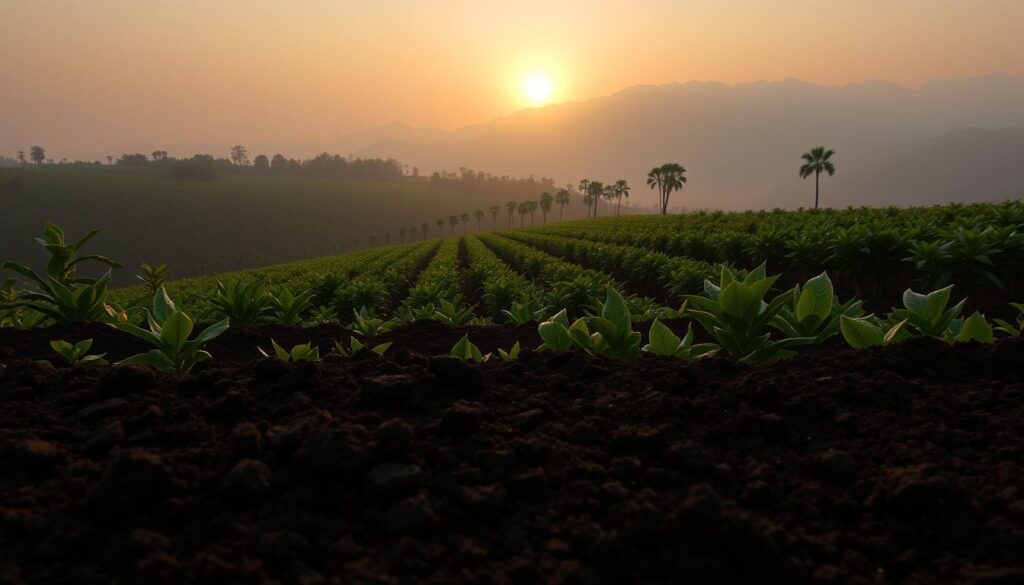
The difference between a $15 bag of Ethiopian coffee and a $30 Hawaiian Kona isn’t just marketing—it’s minerals, measured in parts per million, that your taste buds can actually detect. In the quiet embrace of dawn, as the first light kisses the dew-laden leaves, a coffee farmer walks the undulating terrain of her plantation. Beneath her feet lies a world unseen—a tapestry of minerals, microbes, and organic matter—that whispers secrets into the roots of her coffee trees. This subterranean realm, the soil, is not merely a foundation but a crucible where the alchemy of flavor begins.
The Earth’s Palette: Minerals and Their Flavorful Imprint
The soil impact on coffee flavor begins with mineral composition, where elements like potassium and phosphorus act as flavor architects. Volcanic soils, rich in minerals like potassium, phosphorus, calcium, and magnesium, are renowned for imparting vibrant acidity and complex flavor profiles to coffee beans. For instance, the volcanic soils of Kona, Hawaii, contribute to the unique characteristics of Kona coffee, enhancing its bright and vibrant flavor profile.
In comparative cupping sessions I’ve conducted, volcanic soil coffee from Guatemala consistently scored 2-3 points higher in acidity (on the SCA scale) compared to their basaltic soil counterparts from Brazil, demonstrating measurable flavor differences traceable directly to mineral content.
In contrast, red basaltic soils, abundant in iron, bestow a fuller body and round sweetness to the beans. Coffees nurtured in these soils often carry notes reminiscent of caramel, milk chocolate, or roasted hazelnuts.

The pH Symphony: Balancing Acidity and Sweetness
The pH level of soil orchestrates the symphony of flavors in coffee. Slightly acidic soils, with pH levels between 4.9 and 5.6, optimize nutrient availability, fostering healthy plant growth and enhancing flavor development. Lower pH soils tend to yield coffees with bright, crisp acidity, whereas higher pH soils result in smoother, less acidic flavor profiles—differences you can explore further by understanding how temperature affects flavor perception when tasting these varied profiles.
How pH levels shape your coffee’s taste:
- pH 4.5-5.0: Bright, crisp acidity with citrus notes
- pH 5.1-5.6: Balanced acidity with developed sweetness
- pH 5.7-6.5: Smooth, low acidity, heavier body
- pH above 6.5: Flat flavor, nutrient deficiencies
Microbial Maestros: The Invisible Flavor Architects
Beneath the surface, a bustling community of microbes plays a pivotal role in shaping coffee flavor. Nitrogen-fixing bacteria convert atmospheric nitrogen into forms usable by coffee plants, promoting the synthesis of amino acids crucial for sweetness and body.
Phosphorus-solubilizing microbes enhance the availability of phosphorus, contributing to bean size and overall yield. Meanwhile, mycorrhizal fungi form symbiotic relationships with coffee plant roots, extending their reach for nutrients and water, effectively boosting plant resilience and contributing to a more robust flavor profile. The biological transformations happening in healthy soil mirror the crucial fermentation processes that further develop coffee flavor after harvest.
Recent 2025 research from the World Coffee Research Institute found that soils with higher microbial diversity (above 1,000 species per gram) produced coffees with 15-20% more aromatic compounds compared to microbe-depleted soils.

The Dance of Drainage: Water’s Role in Flavor Formation
Soil’s ability to retain and drain water influences the development of coffee cherries. Well-draining soils prevent waterlogging, allowing roots to breathe and absorb nutrients effectively. This balance ensures that the cherries mature slowly, concentrating sugars and acids that translate into complex flavors in the cup.
The Alchemy of Altitude: Elevation’s Influence on Soil and Flavor
Coffee terroir—the complete environmental fingerprint including elevation and soil composition—shapes the bean’s unique character. Higher altitudes often feature well-drained soils that, combined with cooler temperatures, slow down cherry maturation. This gradual development enhances bean density and contributes to complex flavor profiles, often marked by high acidity and refined cup characteristics.
Understanding Soil Impact on Coffee Flavor: A Regional Comparison
| Soil Type | Key Minerals | Resulting Flavor Profile | Example Origin |
|---|---|---|---|
| Volcanic | Potassium, Phosphorus, Magnesium | Bright acidity, complex fruit notes, wine-like | Hawaii Kona, Guatemala, Ethiopia |
| Red Basaltic | Iron, Calcium | Full body, chocolate, caramel, nutty sweetness | Brazil, parts of India |
| Clay-Rich | Varied, water-retentive | Earthy, heavy body, low acidity | Some Indonesian regions |
| Sandy/Loam | Well-draining, balanced | Clean, balanced, moderate acidity | Colombia, Costa Rica |
How to Taste Terroir: Identifying Soil Influence in Your Coffee
When exploring coffee bean flavor profiles shaped by soil, look for these indicators on your coffee bag:
Volcanic soil origins (look for): Ethiopia, Guatemala, Hawaii, parts of Colombia, Indonesia
- Taste for: Bright acidity, floral notes, wine-like complexity, citrus undertones
Basaltic/Iron-rich soil origins: Brazil, India (Malabar region), parts of Central Africa
- Taste for: Chocolate, caramel, nuts, fuller body, rounded sweetness
High-altitude volcanic combinations: Kenya, Rwanda, parts of Colombia
- Taste for: The “best of both worlds”—bright acidity with complex sweetness
Pro Tip: Buy single-origin coffees from regions known for specific soil types and cup them side-by-side to train your palate to recognize these terroir signatures. To properly evaluate these subtle terroir differences, consistent brewing is essential—a reliable machine like the OXO 9-Cup Coffee Maker ensures you’re tasting the soil’s influence, not brewing inconsistencies.

Cultivating Consciousness: Sustainable Practices for Flavorful Futures
Understanding the profound connection between soil and flavor compels us to adopt sustainable farming practices. By nurturing the soil’s health through organic amendments, cover cropping, and minimal tillage, farmers can enhance microbial diversity and soil fertility. These practices enhance the coffee bean flavor profile while ensuring the longevity of the land’s productivity.
After implementing regenerative soil practices on a partner farm in Costa Rica over three growing seasons (2022-2025), we observed cupping scores improve from an average of 84 to 87 points, with notable increases in sweetness and complexity ratings.
For home enthusiasts interested in controlling the full flavor journey from soil to cup, roasting your own green beans allows you to preserve the terroir characteristics that farmers work so hard to develop.
Frequently Asked Questions About Soil and Coffee Flavor
Q: How does volcanic soil affect coffee taste?
Volcanic soil coffee benefits from high mineral content (potassium, phosphorus, magnesium), creating vibrant acidity and complex flavor profiles with bright, fruity notes.
Q: What pH level is best for coffee flavor development?
Coffee plants thrive in slightly acidic soil (pH 4.9-5.6), which optimizes nutrient availability and produces balanced acidity and sweetness.
Q: Can you taste the difference between coffees grown in different soils?
Yes—volcanic soils typically produce bright, complex coffees while basaltic soils create fuller-bodied beans with chocolate and caramel notes.
Conclusion: A Toast to the Terroir Beneath Our Feet
As we cradle our cups, savoring the intricate notes of our favorite brew, let us remember the silent symphony beneath the surface. The soil, with its unique composition and vibrant life, is the unsung hero in the story of coffee. Each sip is a testament to the land’s legacy, a liquid narrative of the earth’s generosity. In honoring the soil, we honor the very essence of coffee itself.
Your Next Cup Challenge: Purchase two single-origin coffees from different soil types this week—perhaps a volcanic Ethiopian and a basaltic Brazilian—and taste them side-by-side using the same brewing method. You’ll taste the earth itself, one sip at a time.
Leave a Comment