Quick Answer
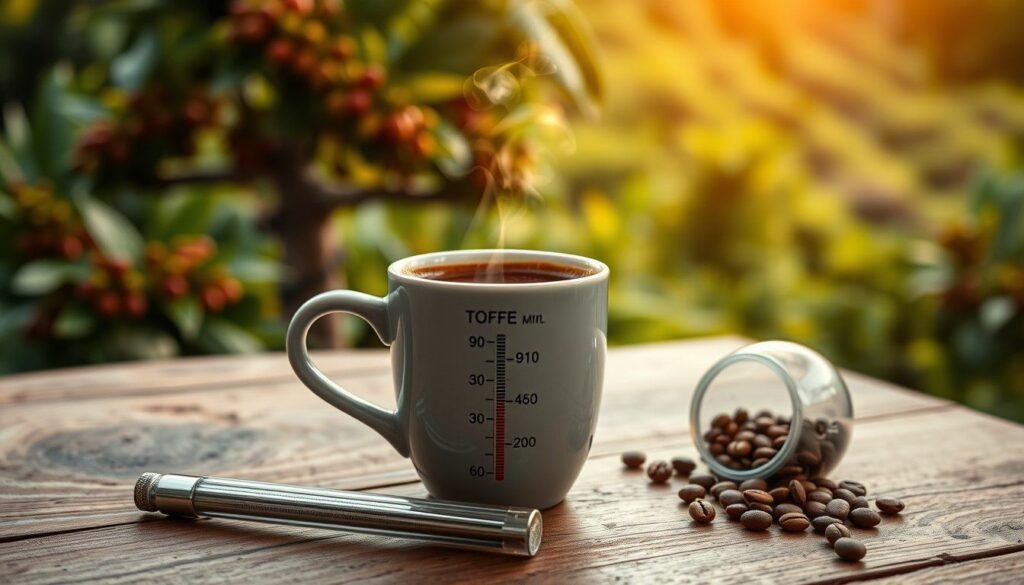
The ideal coffee drinking temperature is 120–140°F (49–60°C), where sweetness and complex flavors peak. However, tasting coffee as it cools from 160°F to below 120°F reveals different flavor notes—from aromatic brightness to sweet complexity to pronounced acidity—allowing you to experience the full range of single origin coffee flavors.
Introduction
You’ve invested in premium single-origin beans, perfected your brew ratio, and carefully timed your extraction—yet you might be missing half the flavor. The secret? Coffee drinking temperature. Most coffee lovers consume their brew too hot, scalding away the very flavor notes they paid premium prices to experience.
Imagine standing amidst the lush, rolling hills of Ethiopia’s Yirgacheffe region, where the air is thick with the scent of blooming coffee flowers. Here, farmers like Amina carefully tend to their heirloom coffee plants, knowing that each bean carries the potential for a symphony of flavors. Yet, the journey from these verdant fields to your cup is just the beginning. The coffee drinking temperature plays a pivotal role in unlocking the intricate flavor notes inherent in single-origin beans.
Recommended Equipment: For the best results with this technique, consider the Ethiopian Coffee, Yirgacheffe Region, USDA Organic, Whole Bean, Kosher, Fresh Roasted, 16-ounce ($19.99 ($1.25 / Ounce)).
The Science Behind Coffee Drinking Temperature and Flavor
Our taste buds and olfactory receptors are sensitive to temperature changes, which can significantly alter our perception of flavor. Studies have shown that as coffee cools, different compounds become more prominent, revealing a spectrum of tastes that might be overshadowed when the beverage is piping hot.

Key Insight: Temperature influences the volatility of aromatic compounds and the solubility of taste molecules, affecting how we perceive sweetness, acidity, and bitterness. Understanding how temperature affects coffee taste is essential for appreciating the nuances of single-origin beans.
Flavor Phases at Varying Temperatures
160–185°F (71–85°C): The Aromatic Prelude
At this initial hot stage, the coffee’s aroma is most pronounced. However, the high temperature can mask subtle flavors, and the risk of scalding may deter from fully savoring the cup.
Tip: Allow your coffee to cool slightly before taking the first sip to avoid burns and to begin experiencing the nuanced flavors.
140–160°F (60–71°C): The Balanced Harmony
As the coffee cools to this range, the balance between acidity and sweetness becomes more apparent. This is often considered the optimal drinking temperature, where the coffee’s character shines without the distraction of excessive heat.
Tip: Use a thermometer to gauge when your coffee reaches this temperature range for an ideal tasting experience.
120–140°F (49–60°C): The Sweet Spot
In this cooler range, sweetness and complex flavors like fruits, herbs, and nuts are at their peak. Bitterness is minimal, allowing you to fully appreciate the coffee’s body.
Tip: Take slow, deliberate sips to fully appreciate the evolving flavor profile as the coffee cools.
Below 120°F (49°C): The Flavor Finale
At this stage, acidity becomes more pronounced, and certain flavors may fade. While some prefer their coffee at this temperature, others might find it too cool for optimal enjoyment.
Tip: If you find the coffee too cool, consider reheating it gently to return to your preferred temperature range.
The temperature phases above work with any brewing method, but equipment quality matters. If you’re brewing with a single-serve machine, our guide to single-serve coffee makers can help ensure you’re starting with the best possible extraction before considering temperature.
Coffee Tasting Temperature Guide: Quick Reference
| Temperature Range | Flavor Profile | Best For |
|---|---|---|
| 160-185°F | Aromatic, harsh | Initial aroma appreciation |
| 140-160°F | Balanced | General drinking |
| 120-140°F | Sweet, complex | Single-origin tasting |
| Below 120°F | Acidic, fading | Not recommended |
Personal Anecdote: A Journey Through Temperature
Testing Temperature with Colombian Single-Origin
During a visit to a small farm in Colombia’s Huila region, I shared a cup of freshly brewed single-origin coffee with the farmer, Diego. Using a digital thermometer, we tasted the coffee at 5-degree intervals from 165°F down to 115°F, noting how the flavors transformed from bright citrus notes to deep chocolate undertones. This experience underscored the importance of coffee drinking temperature in fully appreciating the coffee’s complexity.

Common Coffee Drinking Temperature Mistakes
- Drinking Too Hot (Above 160°F): Risks tongue scalding and masks flavor complexity
- Drinking Too Cold (Below 110°F): Excessive acidity dominates, sweetness fades
- Microwaving to Reheat: Breaks down aromatic compounds, creating bitter notes
Surprising Fact: Temperature’s Impact on Perceived Sweetness
A 2023 study by the Specialty Coffee Association found that perceived sweetness increases by up to 25% as coffee cools from 160°F to 130°F. This means that allowing your coffee to cool slightly can enhance its natural sweetness without the need for added sugar.

How to Optimize Your Coffee Drinking Temperature: 3 Steps
- Experiment with Temperature: Try tasting your coffee at different temperatures to discover your personal preference and to experience the full range of flavors. Learning the art of coffee tasting will help you identify these subtle differences.
- Use Proper Equipment: Invest in a quality thermometer and insulated mug to control and maintain your coffee’s temperature. For equipment recommendations that actually improve taste, check out our guide to coffee equipment that doesn’t compromise flavor. If you’re looking for a coffee maker that maintains optimal brewing temperature, the SHARDOR Programmable Coffee Maker features a thermal carafe that helps preserve your coffee’s temperature for longer.
- Be Patient: Allow your coffee to cool naturally to unlock its full flavor potential. Understanding how temperature affects coffee taste will help you appreciate why patience pays off.
FAQ
What is the ideal coffee tasting temperature? (A coffee tasting temperature guide)
The optimal drinking temperature is between 120–140°F (49–60°C), where the balance of flavors is most harmonious and sweetness peaks.
Does reheating coffee affect its flavor?
Yes, reheating can alter the flavor profile, often resulting in a more bitter taste. It’s best to consume coffee fresh and at the right temperature.
How can I measure my coffee’s temperature at home?
Use a food-grade thermometer to monitor the temperature, or invest in a smart mug that maintains your desired heat level.
Do different brewing methods affect the optimal drinking temperature?
While brewing methods can influence the initial temperature, the optimal drinking range remains consistent across methods.
Can I experience these flavor changes with any coffee?
Yes, but single-origin beans often provide a more distinct flavor evolution due to their unique profiles. Learn more about developing your palate for these complex flavors.
Conclusion
Understanding how coffee drinking temperature affects flavor perception can elevate your coffee-drinking experience. By paying attention to the temperature at which you consume your coffee, especially single-origin varieties, you can unlock a sequential cascade of flavors, making each sip a journey through the bean’s origin and processing.
Ready to taste what you’ve been missing? Next time you brew single-origin coffee, use this coffee tasting temperature guide: Start at 160°F to appreciate the aroma, wait for 140°F for balanced drinking, and experience peak sweetness at 130°F. Your $20/bag Ethiopian Yirgacheffe will finally reveal why it costs more than grocery store beans.
Leave a Comment