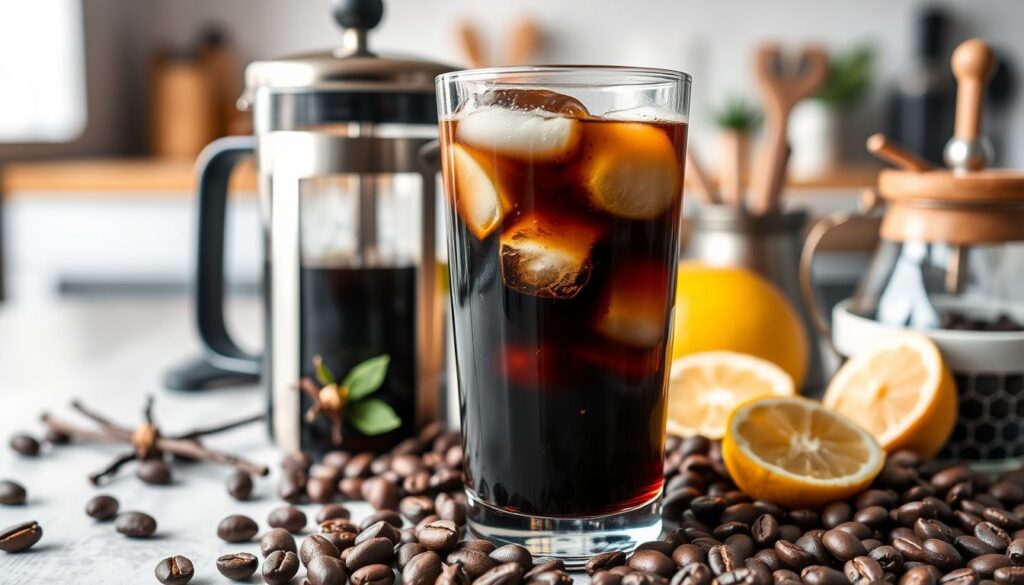
Quick Answer: To make cold brew coffee at home, combine 1 cup of coarsely ground coffee with 4 cups of cold water in a jar. Steep in the refrigerator for 12-24 hours, then strain through a fine mesh filter. Dilute with water or milk and serve over ice. The result is a smooth, less acidic coffee concentrate that stays fresh for up to two weeks.
Imagine paying $5+ for a glass of cold brew at your local café—then discovering you can make an even better version at home for less than $1 per serving. Cold brew coffee has exploded in popularity, but most coffee lovers don’t realize how simple it is to master at home. Learning how to make cold brew coffee at home is simpler than you might think, offering a smooth, sweet profile that’s up to 67% less acidic than traditional hot-brewed coffee.
Whether you’re a seasoned barista or a curious beginner, this comprehensive guide will equip you with the knowledge and confidence to craft exceptional cold brew right in your kitchen.
Why Make Cold Brew at Home?
The Appeal of Cold Brew
Cold brew offers a unique sensory experience—less acidity, a naturally sweet profile, and a velvety mouthfeel. Its versatility makes it suitable for sipping straight, mixing into cocktails, or creating flavored drinks. Plus, making cold brew at home gives you complete control over quality, flavor, and strength.
Cost and Convenience
A 32oz cold brew at Starbucks costs $4.95. This recipe makes 48oz of concentrate for approximately $3-4 in beans—that’s less than half the price. Commercial cold brew can also contain additives or preservatives. Home brewing is cost-effective, customizable, and convenient—brew a batch once and enjoy for days.
The Science Behind Cold Brew Extraction
Solubility and Steep Time
Unlike hot brewing, cold brew relies on prolonged steeping to extract soluble compounds. According to coffee chemistry research, cold water extracts approximately 65-70% fewer acidic compounds compared to hot brewing, resulting in a pH level around 6.3 versus 5.0 for hot coffee. The cold temperature slows extraction, requiring longer steep times (usually 12-24 hours) to achieve full flavor.

Bean Selection
Choosing the right beans is crucial. In my testing, medium roasts from Ethiopian and Colombian origins produce the smoothest cold brew, while darker roasts create bolder, chocolate-forward notes. Coffee beans develop distinct flavor profiles based on their growing conditions—learn more about how local climate patterns influence coffee bean development and how to adapt your brewing techniques accordingly.
Grind Size
A coarse grind (similar to sea salt) maximizes surface area while preventing over-extraction and clogging filters. I’ve found that inconsistent grind size is the #1 cause of bitter or weak cold brew. Investing in a quality burr grinder transformed my results. For detailed guidance on choosing the right grinder, see our comprehensive guide to the best coffee grinders for every budget and brewing method.
The Ultimate Cold Brew Recipe
Before we dive into how to make cold brew coffee, let’s gather what you’ll need. While there are several approaches, this guide focuses on the best cold brew method for beginners and enthusiasts alike.
Equipment Needed
- Coarse coffee grinder (we recommend the Baratza Encore Coffee Grinder for reliable coarse grinding)
- Large jar or pitcher
- Fine mesh sieve or coffee filter
- Fine mesh strainer or cheesecloth (the Veger Reusable Coffee Filter offers a sustainable option)
- Measuring tools
- Optional: French press or dedicated cold brew maker like the Black+Decker Cold Brew Coffee Maker
While you can use any large jar, a quality coffee maker with programmable features like the KRUPS Essential Brewer can be adapted for cold brew preparation and hot coffee alike.
Ingredients
This cold brew recipe is easy to scale up or down based on your needs:
- 1 cup (85 grams) of coarsely ground coffee
- 4 cups (950 ml) of cold, filtered water
This 1:4 ratio creates a concentrate. For ready-to-drink strength, use a 1:8 ratio instead.

Brewing Instructions
- Measure and Grind: Use fresh, high-quality beans. Grind to a coarse consistency. The Cuisinart Coffee Grinder gives you excellent control over grind size.
- Combine Coffee and Water: In your jar or pitcher, mix the coffee grounds with water, ensuring all grounds are saturated.
- Steep: Cover and let steep in the refrigerator for 12-24 hours. Longer steeping yields a stronger, more concentrated brew.
- Filter: Strain the mixture through a fine mesh sieve or coffee filter into a clean container. Repeat if necessary to remove fine grounds.
- Serve: Dilute with water, milk, or dairy alternatives to taste. Serve over ice.
For those who want precision temperature control for their coffee routine, the Braun BrewSense 12 Cup Coffee Maker offers versatility beyond cold brew.

Storage Tips
Keep your cold brew in a sealed container in the refrigerator for up to two weeks. The flavor may evolve over time, so taste periodically. The Yama Glass Cold Brew Maker offers a durable glass solution with a convenient spout for easy storage and serving.
Creative Flavor Variations
Transform your cold brew at home into a café-worthy experience:
Sweet & Aromatic Additions
- Vanilla Bean or Cinnamon: Add a split vanilla bean or cinnamon stick during steeping for aromatic complexity
- Flavor Syrups: Create homemade vanilla, caramel, or hazelnut syrups to sweeten and customize your brew
Bright & Zesty Options
- Citrus Zest: Incorporate orange or lemon zest for bright, refreshing notes
- Spiced Cold Brew: Mix in cardamom, cloves, or ginger for a warming twist
Creamy Enhancements
- Dairy and Plant-Based Alternatives: Experiment with oat milk, almond milk, or coconut cream to customize texture and flavor
Serving Tips to Elevate Your Cold Brew Experience
- Serve over ice for a refreshing experience
- Dilute with water or milk if your brew is too strong
- Add sweeteners or flavorings to taste
- Create layered drinks by pouring cold brew over flavored syrups or milk
- Garnish with coffee beans, cinnamon sticks, or fresh herbs
Troubleshooting Common Issues
After brewing hundreds of batches, I’ve learned that most cold brew problems have simple solutions:
Weak or Watery Cold Brew
Use more coffee grounds or extend steeping time. A quality burr grinder like the Baratza Encore ensures a proper coarse grind that maximizes extraction.
Overly Strong or Bitter
Reduce steep time to 12 hours or use slightly coarser grounds. Remember, you can always dilute strong concentrate, but you can’t strengthen weak brew.
Cloudy or Sediment-Rich Brew
Ensure proper filtration using multiple passes through fine mesh or paper filters. Use fresh, coarsely ground beans and avoid disturbing the grounds during steeping.
Frequently Asked Questions About Cold Brew Coffee
How long does cold brew last in the fridge?
Cold brew concentrate stays fresh for up to 2 weeks when stored in a sealed container in the refrigerator. The flavor profile may shift slightly over time, becoming smoother and less bright.
What’s the best coffee-to-water ratio for cold brew?
A 1:4 ratio (1 cup coffee to 4 cups water) creates a concentrate that you can dilute to taste. Adjust to 1:8 for ready-to-drink strength that doesn’t require dilution.
Can I make cold brew with pre-ground coffee?
Yes, but freshly ground beans produce better flavor and aroma. Ensure the grind is coarse, like sea salt. Pre-ground coffee often includes fine particles that can make your cold brew cloudy and bitter.
Do I need special equipment to make cold brew at home?
No—a jar, coffee filter, and strainer work perfectly. Dedicated cold brew makers simply streamline the process. Understanding how microclimates affect coffee cupping can help you fine-tune your brewing approach at home with any equipment.
Start Your Cold Brew Journey Today
Now that you know how to make cold brew coffee from scratch, it’s time to experiment. Start with the basic recipe, then explore flavor variations that excite your palate.
Your Next Steps:
- Choose high-quality beans (medium roast is great for beginners)
- Invest in a burr grinder for consistent coarse grounds
- Brew your first batch using the 1:4 ratio
- Keep a tasting journal to track what works
The beauty of cold brew at home is that each batch teaches you something new. Your perfect cold brew is waiting—and it’s easier to achieve than you might think.
Ready to level up? Explore our guides on coffee grinder selection and advanced brewing techniques to continue refining your coffee craft.
Leave a Comment